Our work
Our work
Explore the work made possible by your support and activism.
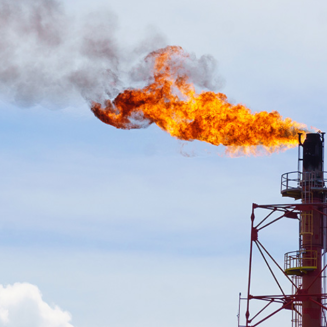
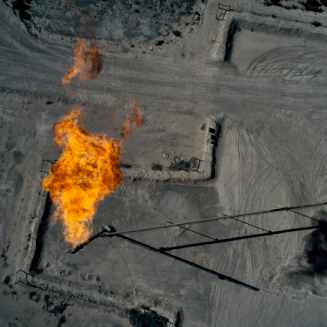
Widespread public support, new analysis signal urgent need for strong EPA methane protections
An urgent need for strong EPA methane protections Blog post
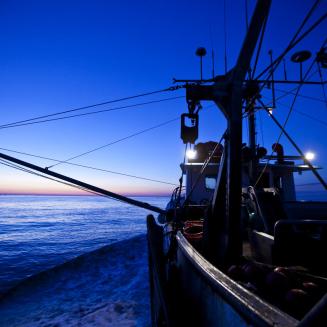
Prioritizing Climate Resilience in United States Fisheries
Deep inside the Amazon, Indigenous leaders are fighting for our planet's future
Deep inside the Amazon, Indigenous leaders are fighting for our planet's future
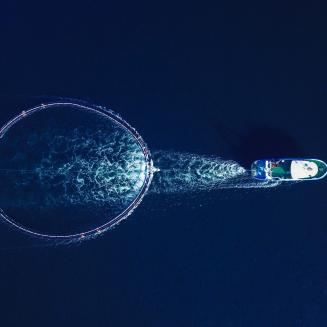
ArticleExpert Q&A: What we need to know to ensure aquaculture in offshore US waters is done right
New York and New Jersey MHDV Fleet Workshop Report
ReportBuilding international collaboration in a remote world: Finding the resilience within to build resilience in crustacean fisheries
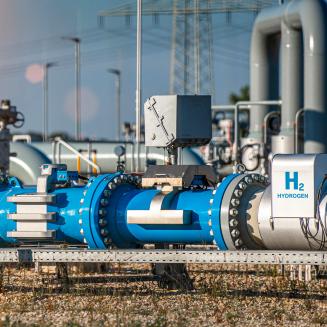
Hydrogen
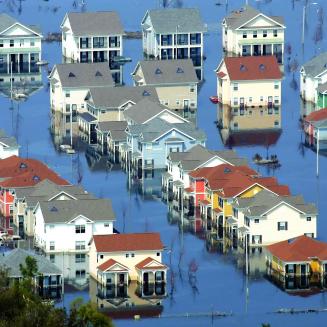
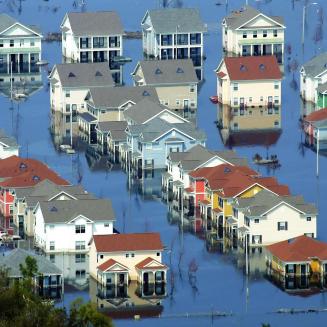
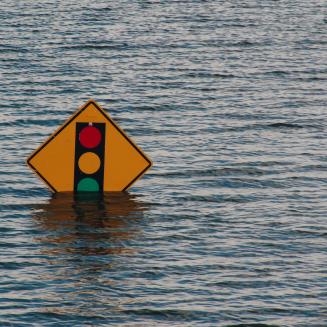
Can insurance save us from climate disaster?
Can insurance save us from climate disaster?
ArticleApproachFocus areaVital Signs Date PublishedFebruary 10, 2023 - 12:00Vital Signs Post AuthorShanti MenonVital Signs Post CategoriesClimate and energy, Climate change, Extreme weather, People and planet, Business and innovation, Location, United StatesVital Signs Post Short DescriptionHouseholds with Insurance recover faster from disaster, but many people don't have the coverage they need to face floods, wildfires and other extreme weather events. New insurance products can bring coverage to more people with less cost, building resilience to a changing climate.Vital Signs Post URL/story/can-insurance-save-us-climate-disasterCan insurance save us from disaster?
Extreme weather: How insurance reform can make recovery faster and fairer
ArticleClean Beauty Justice Roadmap
Improved assessment of baseline and additionality for forest carbon crediting
Takeaways from the Global Forum for Food and Agriculture
New EDF mapping analysis identifies natural infrastructure use across watersheds
The first step in a new industrial revolution: raising the bar for clean hubs
New study shows huge variation in how different oil companies manage climate pollution – underscores need for more oversight
Characterizing vulnerabilities to climate change across the United States
Making the most of our climate investments: 4 lessons learned from new research
Blog post2023 EDF Winter Special Report
Rule #1 of deploying hydrogen: Electrify first
Rule #1 of deploying hydrogen: Electrify first
Blog postExpert Voices: Q&A with EDF’s Steven Hamburg
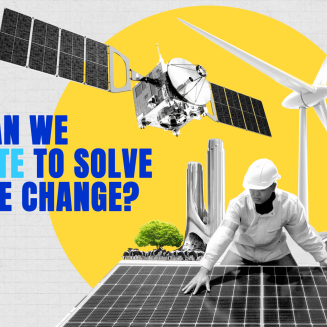
EDF explains: How can we innovate to solve climate change?
EDF explains: How can we innovate to solve climate change?
VideoOnshore Oil and Natural Gas Operations on Federal and Tribal Lands in the United States
Economic Resilience to Climate Impacts Requires Making Disaster Insurance More Inclusive in the US
Why we need to make disaster insurance more inclusive in the US
Blog postImproving Water Planning in Texas
Tackling Transferred Emissions: Climate Principles for Oil and Gas Mergers and Acquisitions