


Extreme weather is getting a boost from climate change
Scientists are detecting a stronger link between the planet’s warming and its changing weather patterns.
And the trajectory is clear — hotter heat waves, drier droughts and stronger storms.
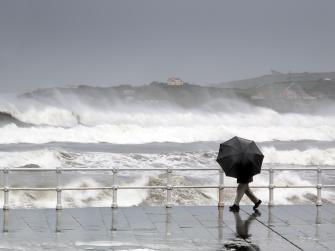
Hurricanes and floods
A warming Earth creates conditions that fuel dangerous hurricanes and floods.
For example, higher temperatures boost evaporation, which leads to more moisture in the atmosphere. This can cause rainfall to intensify, making floods more likely. And rising sea levels can lead to higher storm surges and more coastal flooding.
Two phenomena tied to climate change are driving sea level rise: Glaciers and ice sheets are melting, and ocean waters are expanding as they heat up.
Research also suggests that warmer oceans could set the stage for hurricanes to grow stronger, faster. When that happens close to landfall, people have less time to gather loved ones, secure their homes and move to safety.
How climate change makes hurricanes more destructive
Heat and drought
Heat waves put people’s health at risk. They take a brutal toll on people who work outdoors, families without air conditioning and people who don’t have access to housing, among others.
With temperature records being smashed year after year, climate change is making extreme heat events more frequent and intense. Heat waves are also lasting longer, on average.
And as warmer temperatures increase evaporation, it dries out the soil — intensifying drought over many areas.
Extreme heat, explained: Heat waves in a warming world
Wildfires
Wildfires are closely connected to the weather. Climate change makes wildfires worse by stoking the hot, dry conditions that fuel these fires.
When it’s warmer, more moisture evaporates from soil and vegetation, drying out trees, shrubs and grass and turning fallen leaves and branches into kindling. Drought and earlier snowmelts can also make landscapes more likely to burn.
Climate change isn’t the only factor influencing wildfire threats. How we take care of our forests matters greatly, too. So do decisions about how we use the land, such as where we build houses and other infrastructure.
But research has already linked rising temperatures to worsening wildfires in places from the Western U.S. to the Arctic. Extreme wildfires devastate communities and ecosystems, and produce smoke that can travel far, making air quality worse thousands of miles away.
What does a hotter planet mean for wildfires?
Snow
If the Earth is warming, why are we still seeing so much snow?
The answer: It’s complicated.
Many places are getting less snow. But remember — there is more moisture in a warmer atmosphere. So when temperatures are below freezing, that moisture can fall as snow, fueling heavy snowstorms.
Your gift can help reduce dangerous pollution and protect our health
Your gift can help reduce dangerous pollution and protect our health
Give now to defend our planet:
Donate today and your gift will be matched 200%
Give now to defend our planet: