


February 2024
By Vanessa Glavinskas and Liz Galst
When Dr. Philip Landrigan was a young resident at Boston Children’s Hospital in the late 1960s, he started seeing children who had swallowed chips of lead paint.
Tragically, many of them died. Those who survived were transformed.
“They lost cognitive function,” Landrigan says. In many cases, their behavior changed. “I remember one mom telling me her son had been a sweet boy before he ingested lead and now would fly into a rage.”
Dr. Landrigan began researching lead’s health impacts and found that airborne lead particles — like those found in leaded gasoline exhaust — could harm children’s health. Scientists have since detailed the metal’s many detrimental effects on children, from irreversible brain damage to decreased IQ and behavioral problems. It’s not just kids who are harmed. More than 400,000 adults in the U.S. die prematurely each year due to lead.
These harmful health effects catalyzed decades of advocacy by EDF experts who worked to remove lead first from gasoline, then from paint, and now from water pipes and consumer products. “EDF has been a very important player in this, no question,” says Landrigan, who today heads the global public health program at Boston College. He compares the health benefits of reducing lead exposure to that of the polio vaccine and the eradication of smallpox. “They’ve all saved millions of lives.”
But while the U.S. has made progress in protecting the public from lead, there’s more to do. Millions of American homes still contain lead-based paint and there are 9.2 million lead service pipes carrying water to homes, schools and businesses. While children’s blood lead levels have fallen dramatically since the 1970s, half of American kids tested between 2018 and 2020 still had detectable levels of lead in their blood — with lead contamination more common among Black and Latino children.
“There is no safe level of lead,” says EDF’s chemicals expert Tom Neltner. So until lead is removed from every source, EDF’s work continues.
To mark the 50th anniversary of the U.S. Environmental Protection Agency’s commitment to phase out lead from gasoline, we took a look back at EDF’s decades-long battle to remove lead from our lives.
1970s
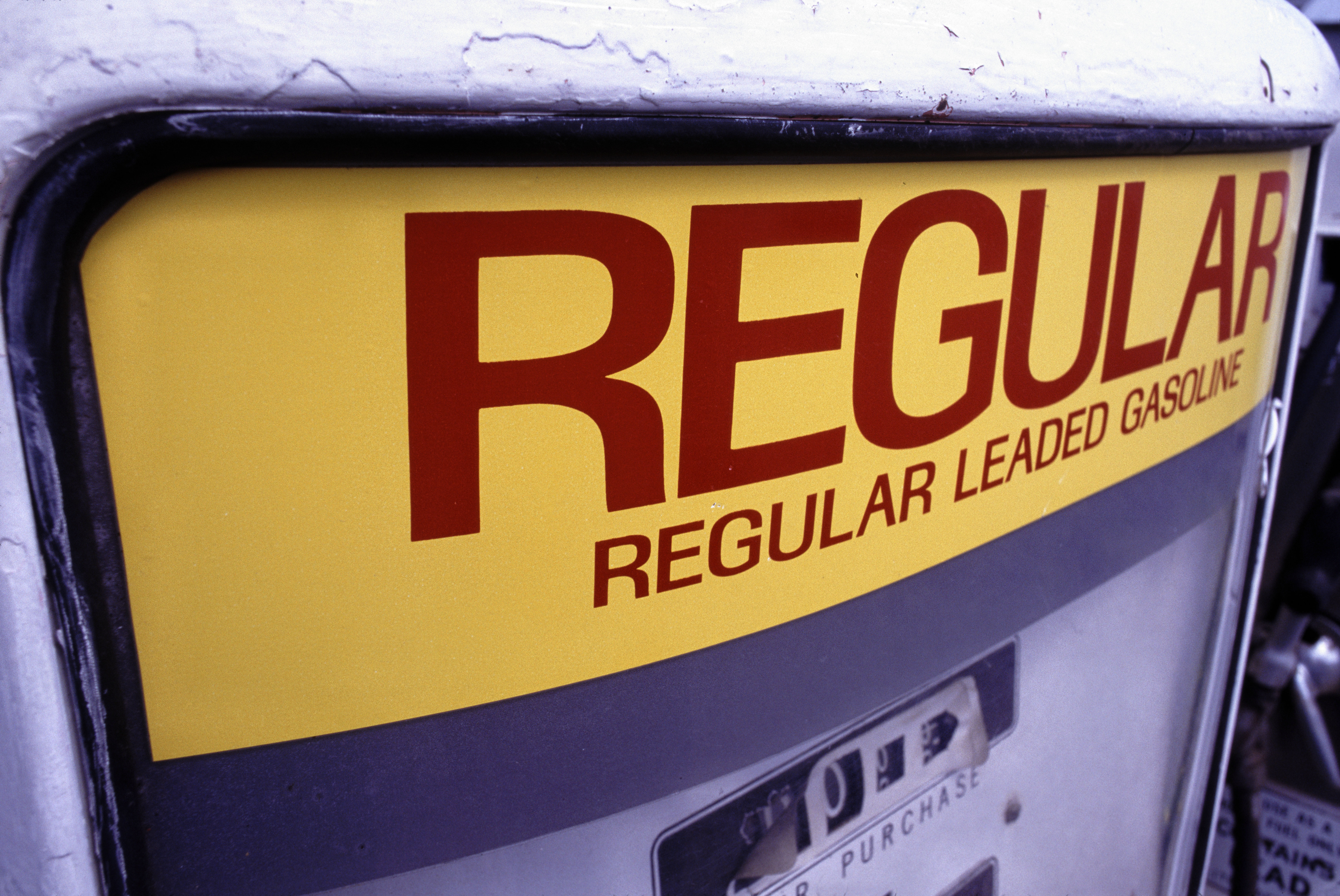
1970: Just three years after being incorporated, EDF submits a petition to the U.S. Department of Health, Education and Welfare seeking the reduction and elimination of lead from the exhaust of motor vehicles.
1973: The EPA issues the rule that begins the phase down of lead in gasoline — a years-long process that ultimately becomes one of America’s biggest environmental and public health victories.
1978: The Consumer Product Safety Commission bans the residential use of lead-based paint. The FDA also limits lead in color additives for cosmetics, excluding lead-acetate hair dyes.

1980s
1982: A proposal to abolish lead limits in gasoline advances under President Reagan. EDF toxicologist Ellen Silbergeld testifies before the EPA in support of lead limits, pointing to evidence that even low levels of lead exposure can have serious health effects.
1985: In a surprising about-face, the EPA abandons its plan to abolish lead limits and instead adopts EDF’s recommendation for faster reductions. The agency requires a more than 90% reduction of lead in gasoline, effective January 1, 1986.
1986: The amended Safe Drinking Water Act mandates that water pipes in new drinking water systems be lead-free. (However, “lead-free” is defined as pipes with no more than 8% lead.)
1990s
1990: EDF research reveals that lead’s devastating neurotoxic effects begin at even lower levels than previously thought. The report triggers more than 800 newspaper stories and television coverage. Report author Karen Florini shares her findings at a congressional hearing on lead exposure.
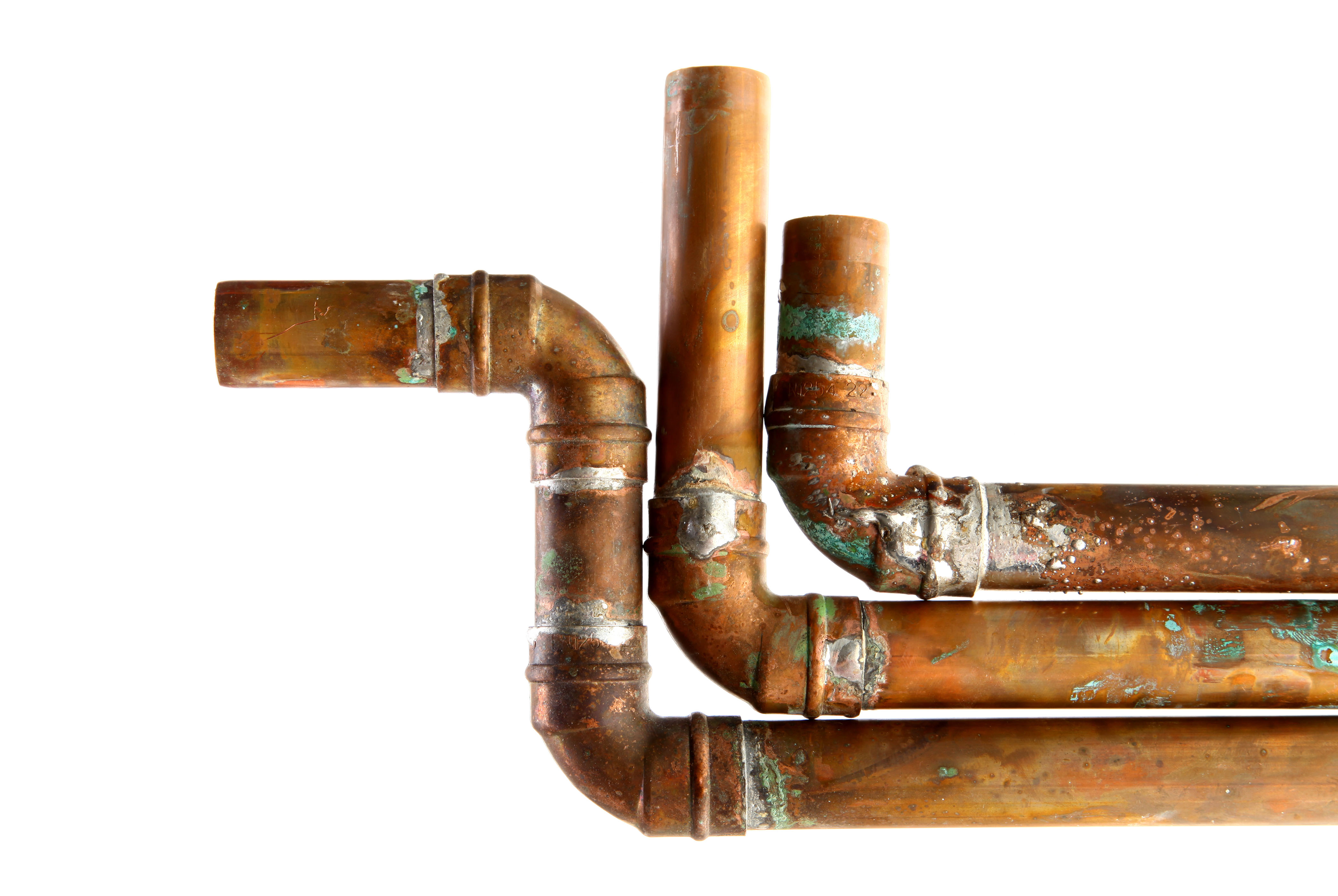
1991: Given that the most common sources of lead in drinking water are lead pipes and brass or bronze faucets, the EPA’s new Lead and Copper Rule requires water utilities to treat their water in order to reduce pipe corrosion and thereby limit lead contamination.
1992: Congress passes the Residential Lead-Based Paint Hazard Reduction Act to protect families from exposure to lead in paint, dust and soil.
1996: EPA Administrator Carol M. Browner signs the final rule in the agency’s phase-out of lead in gasoline for all on-road vehicles. She calls it “one of the great environmental achievements of all time.” The EPA and U.S. Department of Housing and Urban Development also issue a rule requiring that lead-based paint be disclosed to home buyers and renters.
2000s and beyond
2008: The EPA issues a rule requiring that contractors be certified in preventing lead contamination when working on home renovations that may disturb lead-based paint.
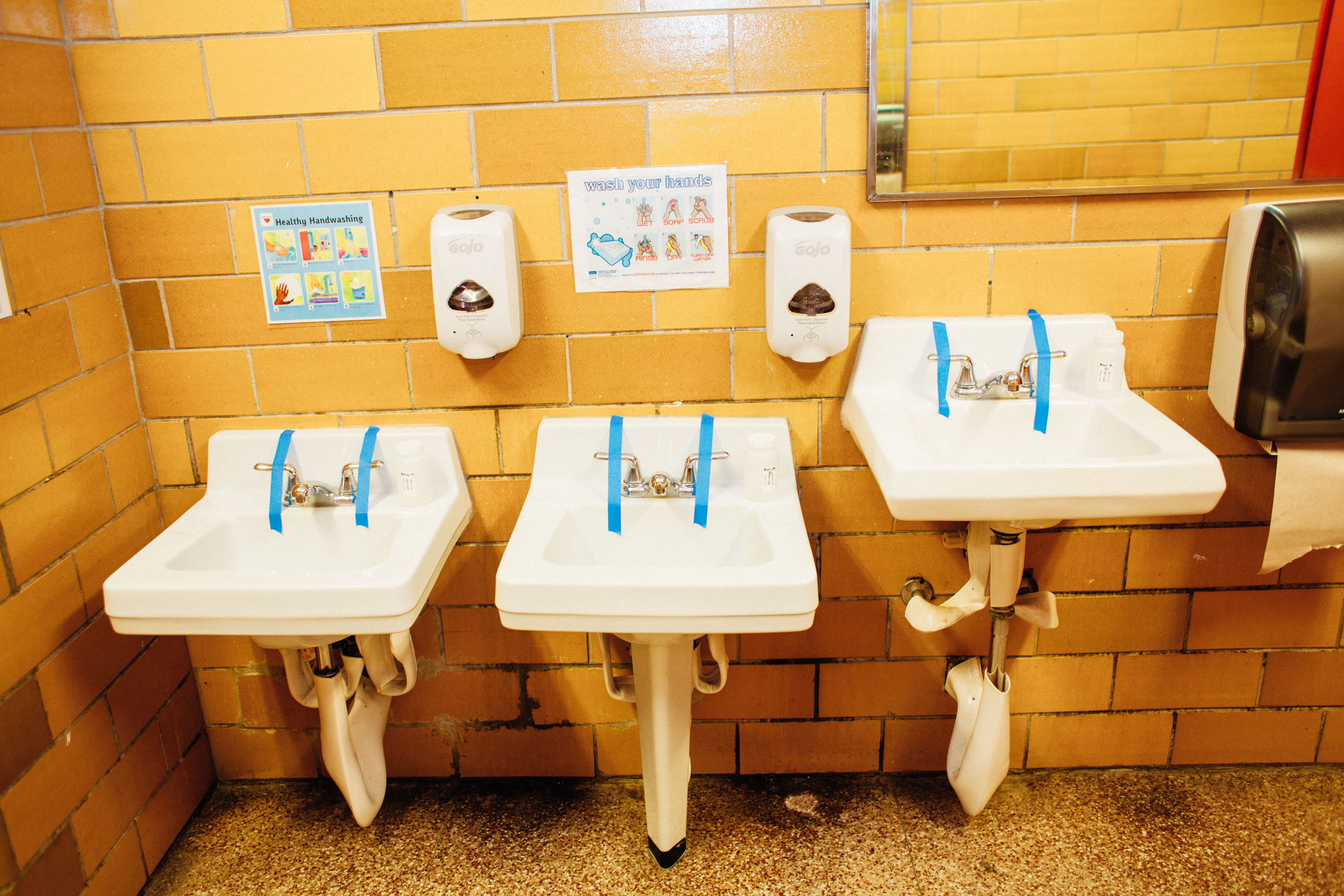
2014 to 2016: The Flint water crisis, caused by mismanagement when the city switched its water supply, exposes 8,000 children to lead in Michigan and brings public attention to lead in water.
2018: The FDA bans the use of lead acetate in hair dye in response to a 2017 petition from EDF and other organizations.
2021: EDF helps secure $15 billion in the Bipartisan Infrastructure Law to replace lead service lines, the pipes that connect homes to water mains. The move is a win for public health and creates jobs.
2023: EDF raises the alarm on underfunding to states with many lead service lines and begins working with the EPA on more equitable financing for their removal. Later that year, the agency proposes a rule requiring that utilities replace 10% of their lead pipes every year.
A version of this article was originally published in the Winter 2024 edition of Solutions, EDF’s newsletter for members.
What’s next? Learn about EDF’s work to get the lead out of drinking water
Your gift can help reduce dangerous pollution
Give now to defend our planet:
Donate now and triple your impact to build a cleaner, safer, more affordable future in 2027 and beyond.
Give now to defend our planet: