


1,4-dioxane
TSCA Ten: Snapshots of the first 10 chemicals up for review under the new TSCA
Date updated:
Summary: An overhaul in 2016 of the main U.S. chemical safety law, the Toxic Substances Control Act, required EPA to choose the first 10 chemicals for risk evaluation. 1,4-dioxane, one of the first 10 chemicals, is a chemical used in building materials, degreasers and other uses as well as a contaminant in a range of products. EPA has classified it as a likely carcinogen.
What kinds of products may use it?
- Building materials such as cement, roofing, siding, and insulation
- Film cement
- All-purpose cleaners
- Degreasers
- Low-friction coating
Present as a trace contaminant in:
- Children's toys and clothes
- Detergents
- Cosmetics
- Personal care products (e.g., deodorants and shampoos)
What hazards does it pose?
- Likely human carcinogen
- Toxic to liver, kidney, and central nervous system
- Toxicity to aquatic plants and invertebrates
- Moderately persistent in the environment
Who may be exposed or most at risk?
- Workers and occupational bystanders in 1,4-dioxane manufacturing and processing industries or using commercial products containing 1,4-dioxane
- Consumers using products containing 1,4-dioxane
- People that depend on water sources contaminated with 1,4-dioxane
- People that live in environments contaminated with 1,4-dioxane
Production profile (2015)
- U.S. manufacture (production and import): 1,059,980 lbs
- Number of manufacturers: At least 2
- Number of manufacturing sites: 4
What industries use it?
- Organic and inorganic chemical manufacturing/synthesis (reactant, solvent, intermediate, or catalyst)
- Plastics manufacturing
- Construction materials manufacturing
- Pharmaceuticals manufacturing
- Animal or vegetable oil extraction
- Solvent for dissolving various cellulose compounds, resins, oils, waxes, and fats
- Printing
1,4-dioxane additional resources
Chemical snapshot
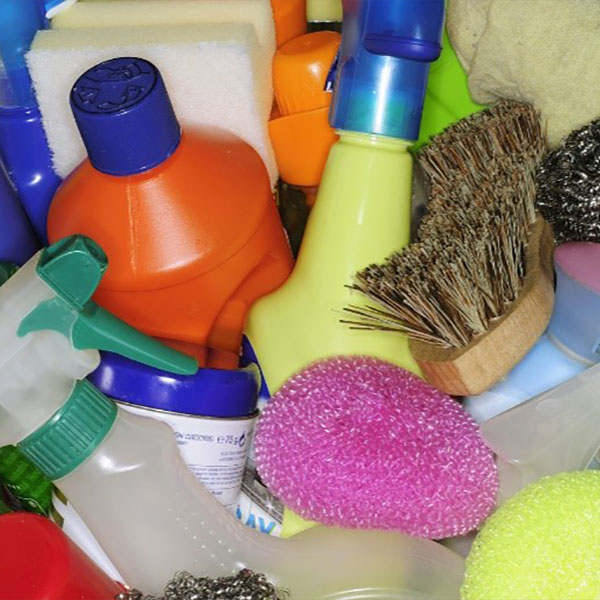
1,4-dioxane can be present in cleaning products as a contaminant.
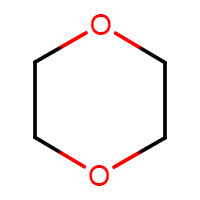
Credit: Chem ID Plus data base under the U.S. National Library of Medicine.
Your gift can help reduce dangerous pollution
Give now to defend our planet:
Donate now and triple your impact to build a cleaner, safer, more affordable future in 2027 and beyond.
Give now to defend our planet: