


Aging oil and gas wells are a heavy burden on communities
Low-producing, idle and orphaned wells can create long-term risks for communities, land and water
As oil and gas wells age, there is a steep decline in production, but the environmental and financial risks they present can last for decades.
When oil and gas operators fail to responsibly manage wells both near the end of their lives and after they’ve ceased production, they pose a threat to nearby communities, property owners and livestock.
Unless they are securely sealed, aging wells can leak pollutants into groundwater and emit methane, impacting both air quality and public health.
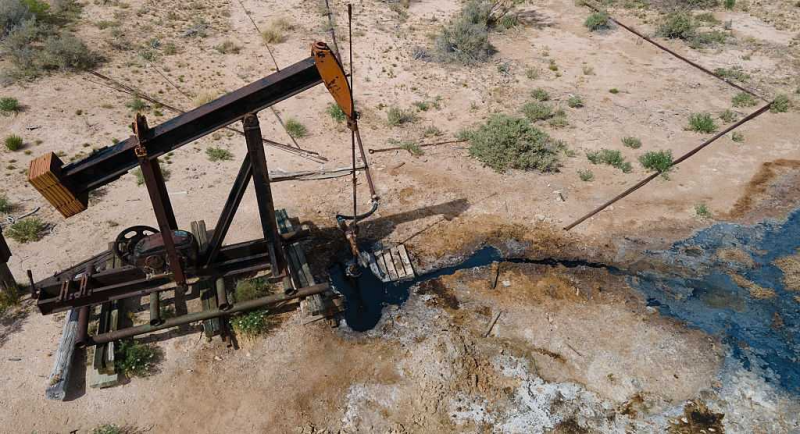
How many end-of-life wells are there?
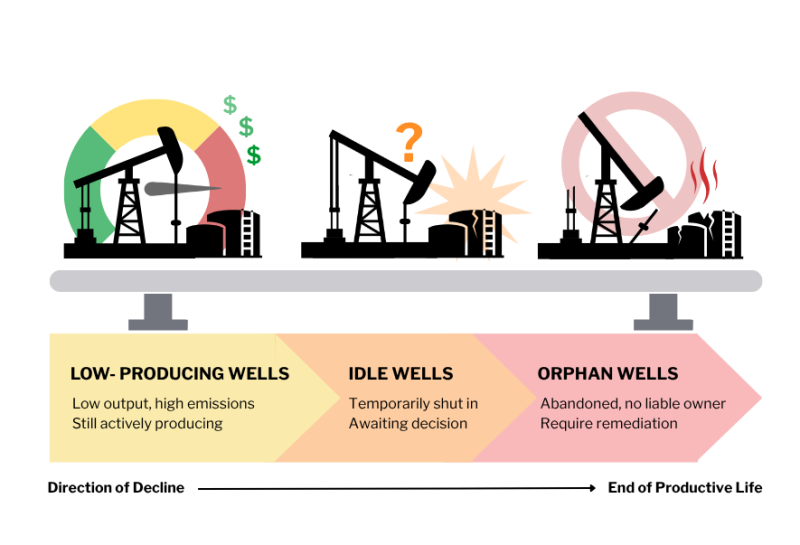
Today, there are more than 550,000 low-producing, marginal oil and gas well sites across the U.S. These wells are responsible for about half of the industry’s methane pollution from the production sector and can be significant sources of ozone-forming volatile organic compounds and toxic air pollutants.
These low-producing assets often linger on the landscape, creating a ticking timebomb for residents and taxpayers who are frequently left to bear the expense of cleanups when an operator can no longer meet its obligations.
Idle oil and gas wells have stopped producing oil and gas but have not been permanently sealed. While they are inactive, they are still owned by a company and managed by an identifiable operator.
“Orphan wells” — unsealed wells that are no longer in service but have no known owner who can afford to manage them — could number a million or more in the United States, with potential total cleanup costs exceeding $100 billion.
Why does the public often get saddled with cleanup costs?
The current system often allows a conveyor belt of asset sales, where the least productive wells are passed to increasingly smaller, less-capitalized companies until they eventually become a state liability. This cycle ensures that while profits are private, the cleanup costs are too often left to the public.
EDF and its partners are working to develop and advance innovative policy and market-based solutions to address methane and other pollution from existing wells and to ensure decommissioning costs are borne by industry and not landowners and taxpayers.
Featured projects and stories
EDF is bringing together policymakers, the oil and gas industry, financial institutions, Tribal governments, local communities and other nongovernmental organizations to create durable solutions for end-of-life wells.
-
 Project
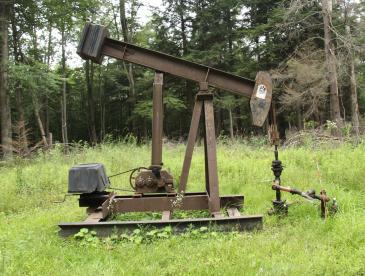
Unearthing Pennsylvania’s legacy of orphan and abandoned wells
-
 Article
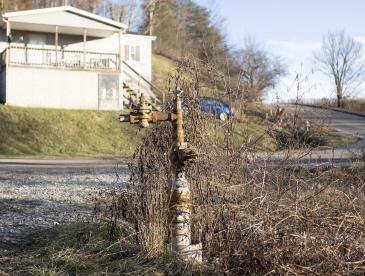
How do you locate a hidden environmental danger? Put a bounty on it.
-
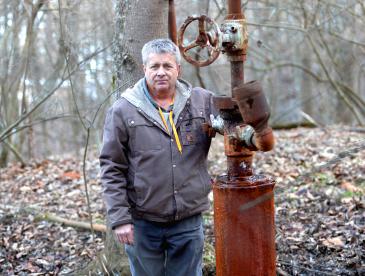 Video
VideoTime to clean up this mess: A farmer’s fight to plug abandoned oil and gas wells
-
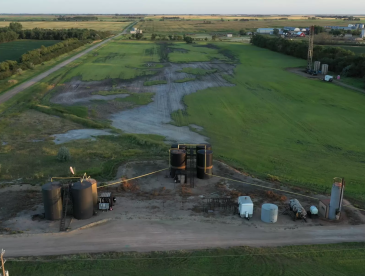 Article
Finally, a plan — and money — to stop pollution from abandoned oil and gas wells
-
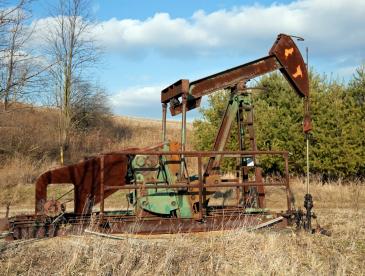 Blog post
New methane data show the risks of exempting low-producing wells
-
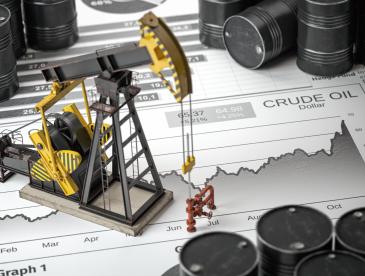 Blog post
Carbon markets could help plug old leaking wells — if we get the rules right
Low-producing well sites pose outsized pollution and cleanup risk
There are about half a million low-producing well sites across the U.S. Together, they produce less than 5% of the country’s oil and gas — and nearly half of all well-site methane pollution nationwide. Without stronger policy reforms, low-producing wells risk becoming abandoned wells, leaving it to states and ultimately taxpayers to shoulder cleanup costs.
- Analysis
Methane emissions intensity mapping from space reveals outsized emissions impact from marginal oil and gas production in the U.S.
- Blog post
States are taking action to stop future orphaned wells
- Analysis
Methane emissions from US low production oil and natural gas well sites
- Analysis
Small emission sources in aggregate disproportionately account for a large majority of total methane emissions from the US oil and gas sector
Where are the orphan wells?
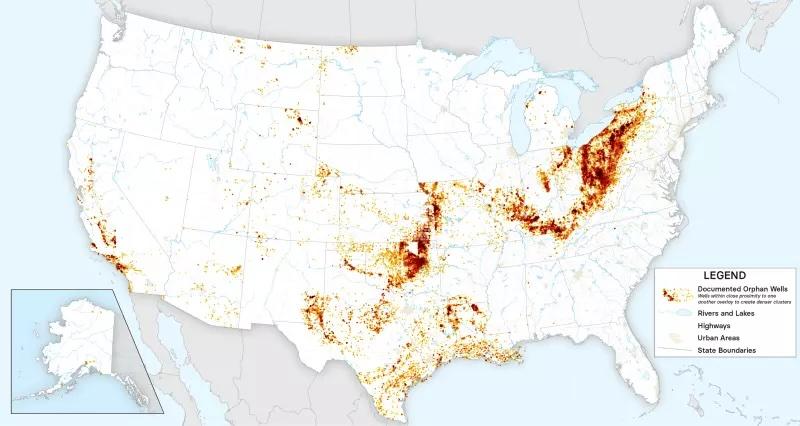
At least 14 million Americans live within 1 mile of an orphan well: This map provides a snapshot of roughly 120,000 wells documented in 2022 across 27 states. These wells — which have been found near people’s homes, under shopping malls and on retirement homes — are just a fraction of such wells in the U.S. Many older wells were never properly documented and many more still need to be found. Explore our project to map orphan wells
Finding, plugging and preventing future orphan wells
Congress allocated $4.7 billion in federal funding to help plug orphan wells. However, states must first document their location before they can apply for funding. EDF and its partners are using new technology to locate the wells, helping states unlock these funds for well-paying plugging jobs for skilled workers that reduce harmful pollution.
- Blog post
Texas can create 150,000 jobs by plugging non-producing wells
- Article
A high-tech hunt for abandoned, leaky oil and gas wells
- Analysis
Environmental risks and opportunities of orphaned oil and gas wells in the United States
- Project
Unearthing Pennsylvania’s legacy of orphan and abandoned wells
- Article
How do you locate a hidden environmental danger? Put a bounty on it.
- Video
Time to clean up this mess: A farmer’s fight to plug abandoned oil and gas wells
- Article
Finally, a plan — and money — to stop pollution from abandoned oil and gas wells
- Blog post
New rules for oil and gas facilities offer big wins for the environment and economy
Our experts
-

Senior Director and Lead Counsel, Energy Transition
-

Manager, Economist
-

Senior Director, Regulatory & Legislative Affairs
-

Manager, Economics and Policy
-

Associate Vice President, Energy Transition
-

Senior Scientist II, MethaneSAT Science
-

Scientist, MethaneSAT Science
-

Senior Policy Manager, Energy Transition
-

Senior Manager, Energy Transition
MEDIA CONTACT
Anne Marie Borrego
(202) 572-3508 (office)
Your gift can help reduce dangerous pollution
Give now to defend our planet:
Donate now and triple your impact to build a cleaner, safer, more affordable future in 2027 and beyond.
Give now to defend our planet: