


Transportation and fuels discussion paper series
Transport is a keystone to a thriving sustainable economy: we must deliver the goods and mobility that people need without compromising clean air, social equity, or climate stability.
Advocates around the globe are driving the transition to a renewables-powered world and catalyzing the adoption of cleaner fuels that complement direct electrification. Spanning from drop-in liquids to compressed gases, powering drivetrains from traditional combustion engines to electrochemical fuel cells, these alternative fuels are essential for decarbonizing hard-to-abate sectors including aviation, marine transport, and heavy industry.
Each alternative fuel comes with social, ecological, and economic tradeoffs that require clear-eyed evaluation from a systems lens. EDF’s Transportation and Fuels Discussion Paper Series presents science-based work by EDF authors and external colleagues that centers these questions, paving the runway for effective and ethical climate policy.
-
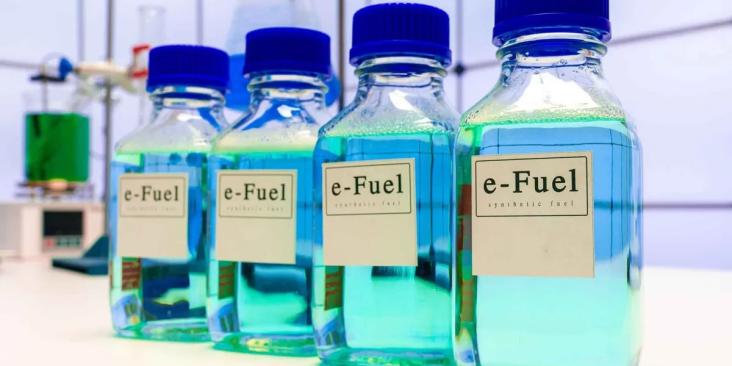
Intermittent production of electricity-based synthetic jet fuel as a demand-side management strategy for grid decarbonization
Variable renewable energy (VRE) is poised to become a cornerstone in the effort to meet economy-wide climate change mitigation targets. However, while transport electrification is advancing for road vehicles, it remains challenging for long-haul aviation. In this hard-to-abate sector, policy and research focus on producing drop-in fuels compatible with existing aircraft technology.
-

Particulate matter pollution from aviation: Effective measures for changing the course of longstanding environmental injustices
Aircraft gas turbine engines emit substantial quantities of fine particulate matter (PM2.5) pollution, notably at sizes in the ultrafine particle (UFP) range smaller than 100 nanometers. In addition to the contributions of PM2.5 emissions to degrading regional air quality, impacts of direct exposure in and around airports are an important public health concern.
Maximize your impact to reduce pollution and safeguard our health
Give now to defend our planet:
Your gift can help reduce dangerous pollution
Give now to defend our planet: