





The impacts of climate change are here. The Trump administration's actions will make them worse.

Explore the Maps

Temperature

Snowpack

Billion $ Disasters

Insurance Premiums

Climate Pollution

Fuel Costs

Health Costs

These maps show how climate change is affecting our health and security right now by altering temperatures, threatening snowpack and our water supply, contributing to increased home insurance premiums, and spurring more billion-dollar disasters. In addition, the maps show how the Trump administration's repeal of the Endangerment Finding and vehicle pollution standards will increase climate pollution and the harms people experience, including fuel costs and health harms.

Clean technologies available now can cut pollution, save people money, and create jobs in communities across the country, but the Trump administration is undermining these investments in our health and our economy by dismantling federal protections.

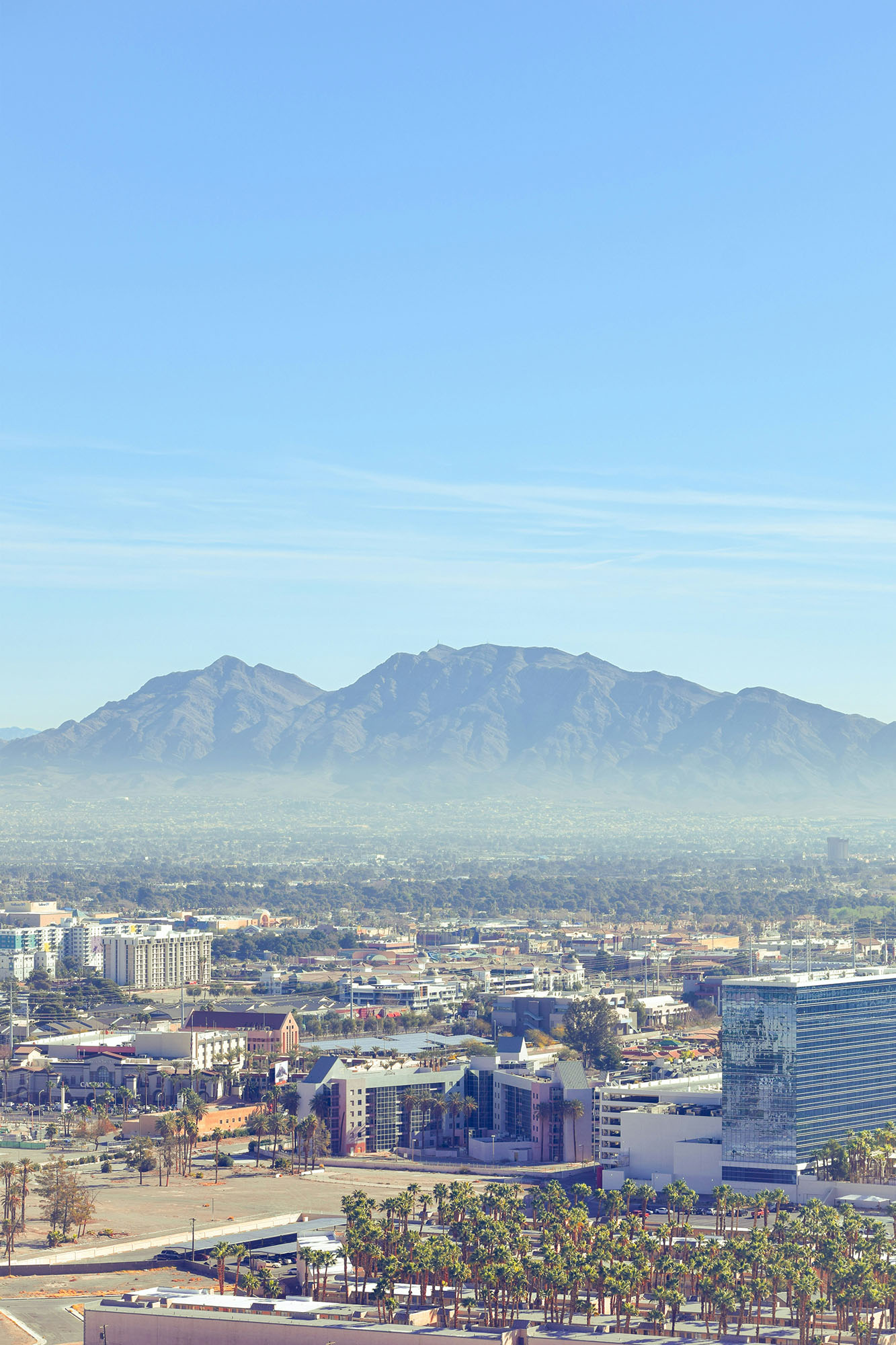
Las Vegas, Nevada. Photo courtesy of GETTY.
“The cost is more than financial,” one hurricane survivor in Houston said. “It's human suffering.”

No state is immune to climate change. Americans are already feeling warmer temperatures and experiencing more extreme weather. Our wallets are suffering, too, as we pay for higher insurance premiums, repairs after natural disasters, and increased health harms from rising pollution. The rate at which these impacts will continue to worsen depends on how much we limit the amount of planet-heating pollution like carbon dioxide and methane emitted.

The Trump administration has attempted to throw out or weaken dozens of environmental protections, cut billions of dollars in funding for affordable clean energy, and give away free passes to some of the country's largest emitters of toxic pollution, all of which have worsened air quality, hurt businesses, and stalled innovative, money-saving CLEAN energy research. But one of the administration's most destructive and far-reaching actions to date is its decision to repeal the government's foundational determination that climate pollution presents a significant threat to our health—today and in the decades to come.

The U.S. Environmental Protection Agency's Endangerment Finding is the bedrock determination that climate pollution harms public health and welfare. By rescinding this finding, along with all the climate pollution standards for vehicles the agency has ever adopted, the Trump EPA is abandoning its responsibility to protect Americans and leaving communities across the country to face the consequences. The Trump administration's reckless and deeply damaging actions will lead to more pollution that is fueling higher temperatures and destructive extreme weather, as well as increasing exposure to air pollution that increases health harms like asthma and heart disease.
It's getting hotter and hotter.

While the extent of temperature increases varies based on region, every county in the lower 48 states has seen an increase in average temperature since data began being recorded in 1901. Source: National Centers for Environmental Information (NCEI)

Wide view of buildings in downtown Las Vegas and the surrounding mountains with a haze over the area.

Increasing planet-warming pollution has directly caused increased temperatures throughout the U.S. Photo courtesy of GETTY.

Warmer temperatures have directly harmed people's health, as rising temperatures increase the burden of disease from heat-related illness. For example, deaths linked to heat exposure have increased more than 50% over the past two decades, the Yale School of Public Health found.

The heat wave in May and June 2024, which included record-breaking temperatures in Las Vegas and Phoenix, was made 35 times more likely because of climate change, World Weather Attribution researchers found.

“I'm lucky I can just jump from my air-conditioned home into my air-conditioned car when I'm hot. But my patients aren't that fortunate.”

– Dr. Joanne Leovy

As heat waves have intensified, Dr. Joanne Leovy, a family physician in Las Vegas, has seen “more heart problems, chronic kidney failure, and worse asthma from heat-triggered smog” in her patients, especially those who are lower-income, work outdoors, walk, or rely on public transportation.

The most vulnerable – children, pregnant people, the elderly, and people experiencing poverty – tend to be hit the hardest by climate change. In 2024 alone, 147 people experiencing homelessness died from heat-associated causes in Las Vegas.

Children are particularly vulnerable to heat-induced illnesses—with just 1°F of warming in the summer months, emergency department visits at children’s hospitals increase by around 113 visits per day, or over 17,000 from May to September, according to a 2023 EPA analysis. Clark County, the home of Las Vegas, has seen temperatures, on average, 2.5°F higher in the past few years compared to 1901-2000.

Temperature change from 1901-2000 to 2020-2024

±0°F
+2°
+4°F

The Midwest and the Northeast have been particularly vulnerable to increased warming.

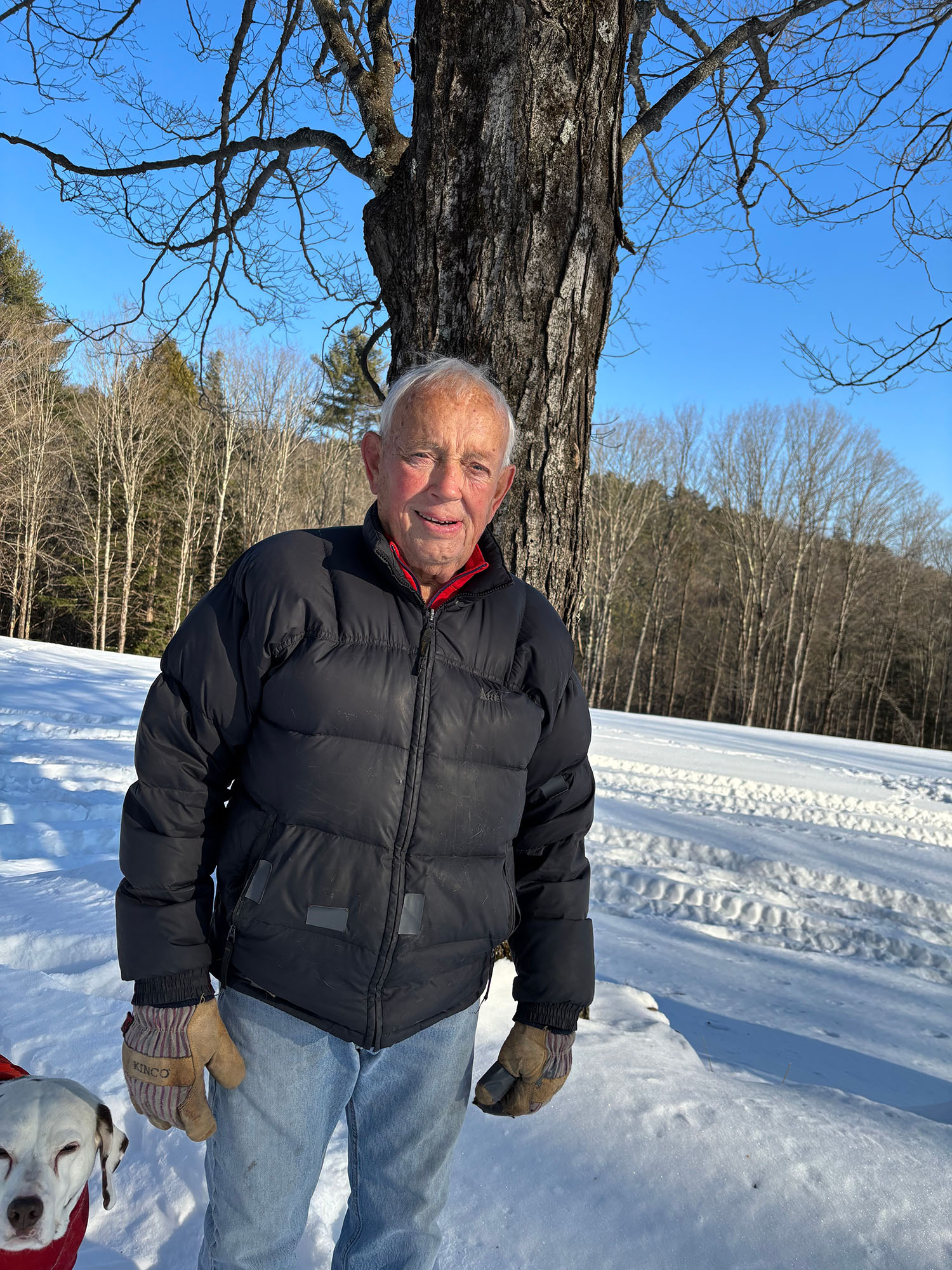
Bill Stilson on his farm in Vermont wearing a puffer jacket and work gloves.

Bill Stilson on his farm in Vermont.

In addition to health impacts, higher temperatures lead to lost labor productivity and less predictable growing seasons for crops, impacts that are felt by farmers across the country.

“As global warming continues, somebody like me cannot invest in the type of technologies that larger producers have. I would just fade from the scene.”

- Bill Stilson, maple syrup producer

Bill Stilson, a small-scale maple syrup producer in Windsor County, Vermont, has seen his production yields drop over the last few decades as average temperatures have risen. Stilson's production season has also become more difficult, as insulating blankets of snow have been replaced by “more ice storms and rainstorms."

Trends in April Snowpack, 1955-2023

-80%
-60%
-40%
-20%
±0
+20%
+40%
+60%
+80%

81% of snowpack sites are experiencing decline.

Snowpack

Climate change affects precipitation patterns across the U.S. This includes prolonged droughts in the west and increased flooding in the southeast. The Western U.S. has seen a sharp drop in precipitation, which has been linked to drought, water scarcity, and wildfires. One measure of precipitation is snowpack, the amount of snow that accumulates throughout the winter before melting.

There is extensive evidence that snowpack in the western US has declined due to climate change. Snowpack plays a key role in the water cycle, providing millions of people with hydropower, irrigation, and drinking water along with billions of dollars in revenue related to recreation tourism that regions rely on. As of March 2026, more than half of all ski mountains in the West have closed or are planning to close early due to record-low snowfall, harming local economies.

 Farmer Justin Stevenson smiles to the camera while standing in front of machinery in a farm field.

Justin Stevenson, pictured right, on his farm in Idaho.

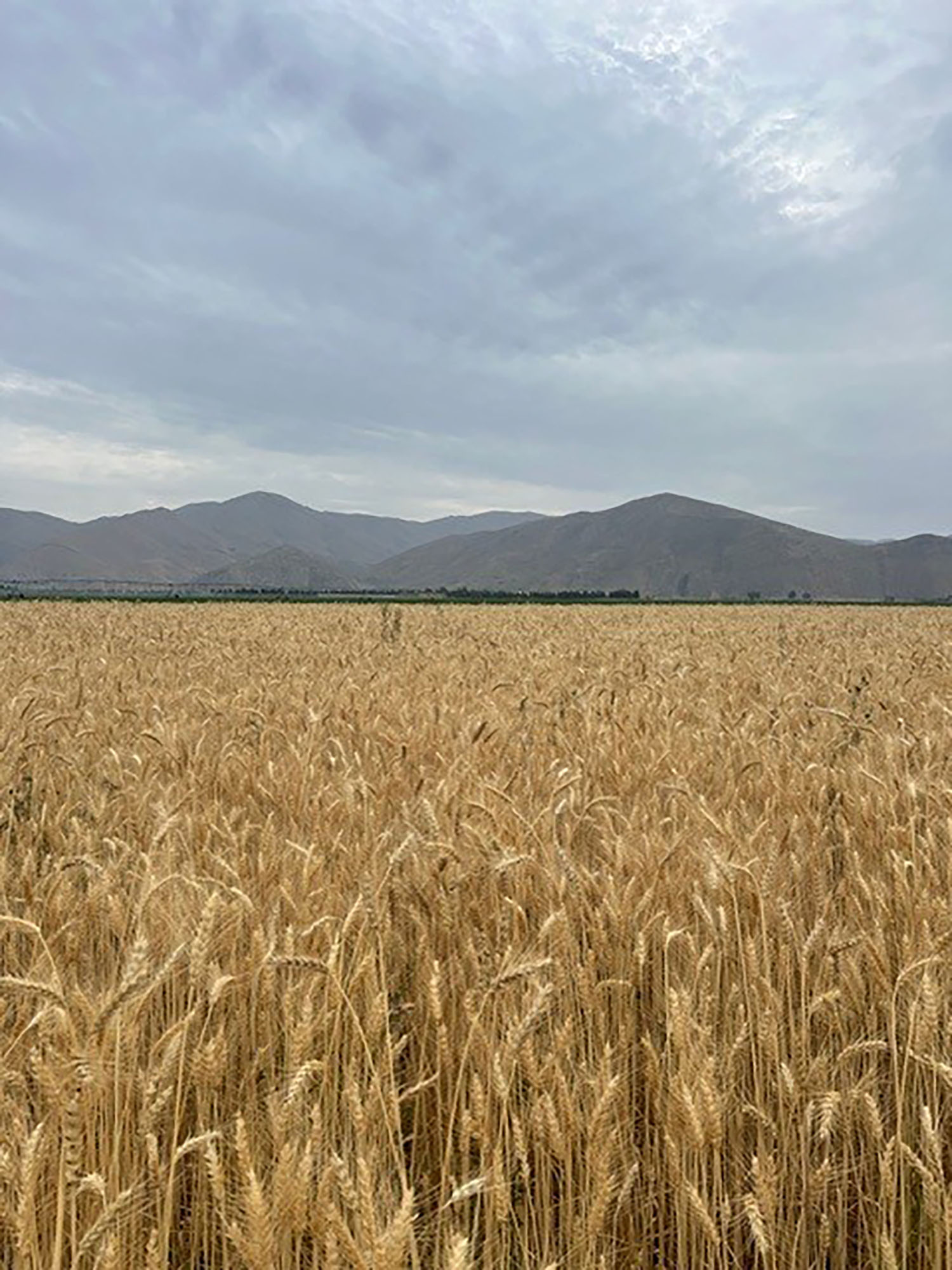
A wide view of Justin's farm in Idaho showing the surrounding mountains.

In Blaine County, Idaho, a place known for agriculture and tourism, water resources feel more strained than ever.

Justin Stevenson, a barley and alfalfa farmer and member of the local groundwater planning board, remembers growing up when water was abundant. “Farmers don't have a reservoir in the system,” Justin says, which means that they rely on diverting river water for irrigation and pump water as needed.

“We're in South Central Idaho, which is a semi-arid desert that only receives around 12-14 inches of rain annually. There's always been highs and lows of rain, but they're just more dramatic now."

– Justin Stevenson, alfalfa farmer

But with higher demand from development and “less snow stored in the mountains” due to climate change, farmers have had to use “more and more groundwater,” he says.

The conditions have spurred innovation and collaboration, with new irrigation technologies and farming practices reducing water usage and improving soil health. Still, “most of the low-hanging fruit” for improving efficiency has already been picked, according to Stevenson.

He spends “an extraordinary amount” of his year coordinating water between farmers competing for the limited resource, and planning has become more difficult.

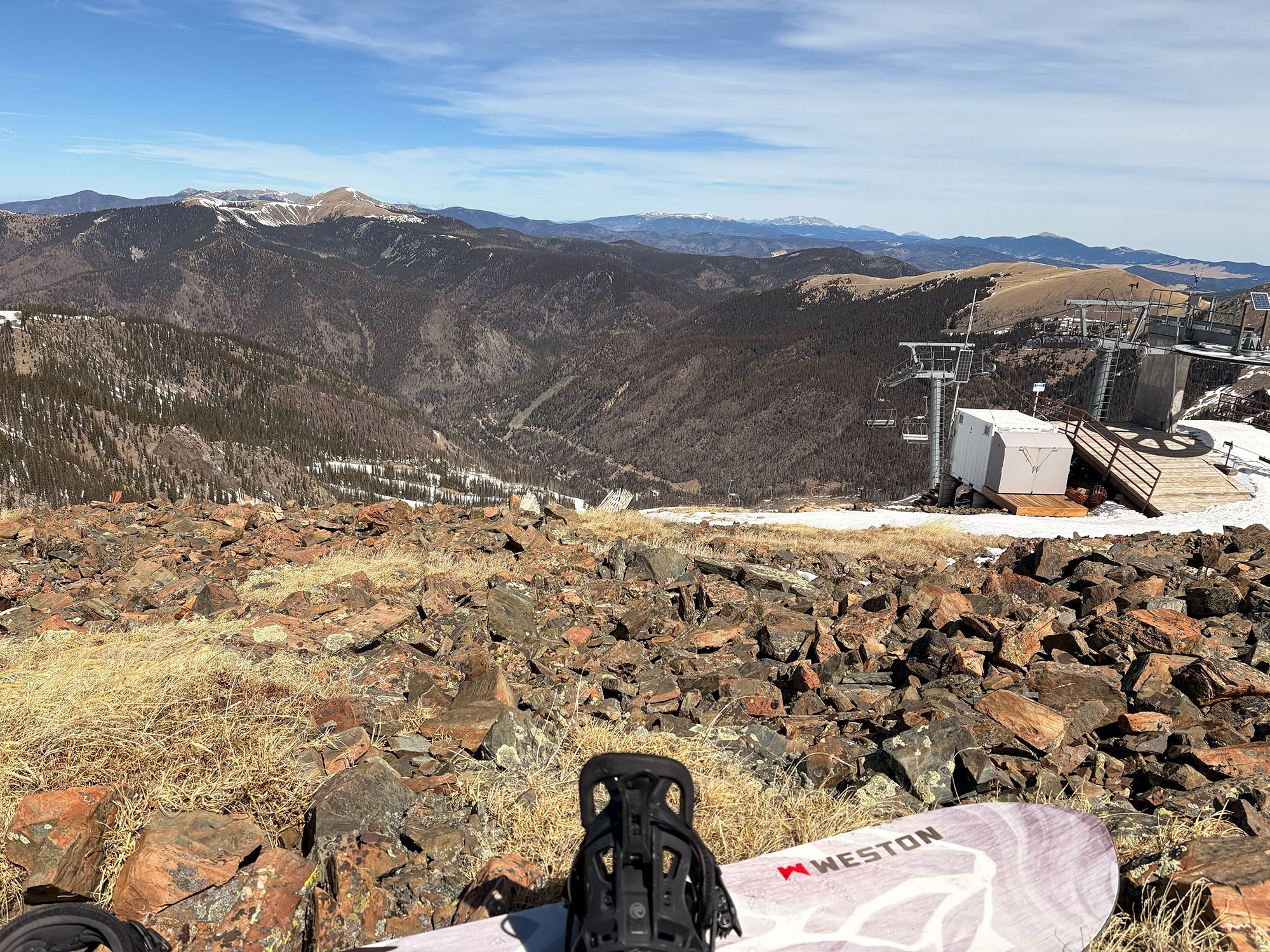
Snowboard looking over a less-than-snowy mountain in Idaho.

As temperatures have warmed, finding snow has been increasingly difficult, with many guides going to higher and higher elevations for trips. Photo courtesy of Jonathan Goldstein.

Joe St. Onge, a ski guide in the same town, has seen winter snow come later and summer arrive earlier. “The lack of snow has shrunk two critical months of tourism,” he says.

Meanwhile, Doug Fenn, a licensed outdoor wilderness guide with a rafting company, has felt the impacts of high temperatures and changes in rainfall personally, saying, "the snow melts too early to ease the drought conditions during wildfire season."

Earlier and decreased snowmelt provides more time for forests to dry, leading to earlier and increasingly more severe wildfires The consequences can be catastrophic:

“In 2012 and 2013, our entire town was evacuated due to the fires. It's a small town, so it doesn't make the national news, but the smoke has a massive impact on our health”.

- Doug Fenn, outdoor wilderness guide

Costs from Disasters from 2010-2024 (inflation adjusted 2024$)

<$1B
$100B+

Disasters cost Texas and Louisiana a combined $443.8B from 2010-2024.

Billion-dollar disasters

From Hurricane Harvey to Helene, Park fires to the Palisades and hundreds of other disasters that have wreaked havoc on hundreds of millions of Americans, climate change has been a co-conspirator.

Over half of all global damages from extreme weather in the last 20 years are attributable to climate change, according to a Nature Communications paper. There is high certainty that climate change has made climate disasters more frequent, more prolonged, and more damaging.

The 5-year rolling average cost to U.S. from disasters. Source: Climate Central.

Wildfires are becoming more frequent and lasting longer, increasing the devasting impacts wildfire smoke has on people’s health. Pregnant people are particularly vulnerable; researchers estimate that thousands more premature births will occur due to increased wildfire smoke as warming continues.

These disasters also don’t happen in isolation. During the 2023 Canadian fires that exposed hundreds of millions of Americans to dangerous levels of soot pollution, Elizabeth Bechard and her family suffered the “Great Vermont Flood of 2023,” an event that caused over $2 billion in damage across New England and resulted from increases in frequency and intensity of precipitation due to climate change. The harms from climate disasters last far longer than the event itself with adverse mental health impacts from floods persisting years after.

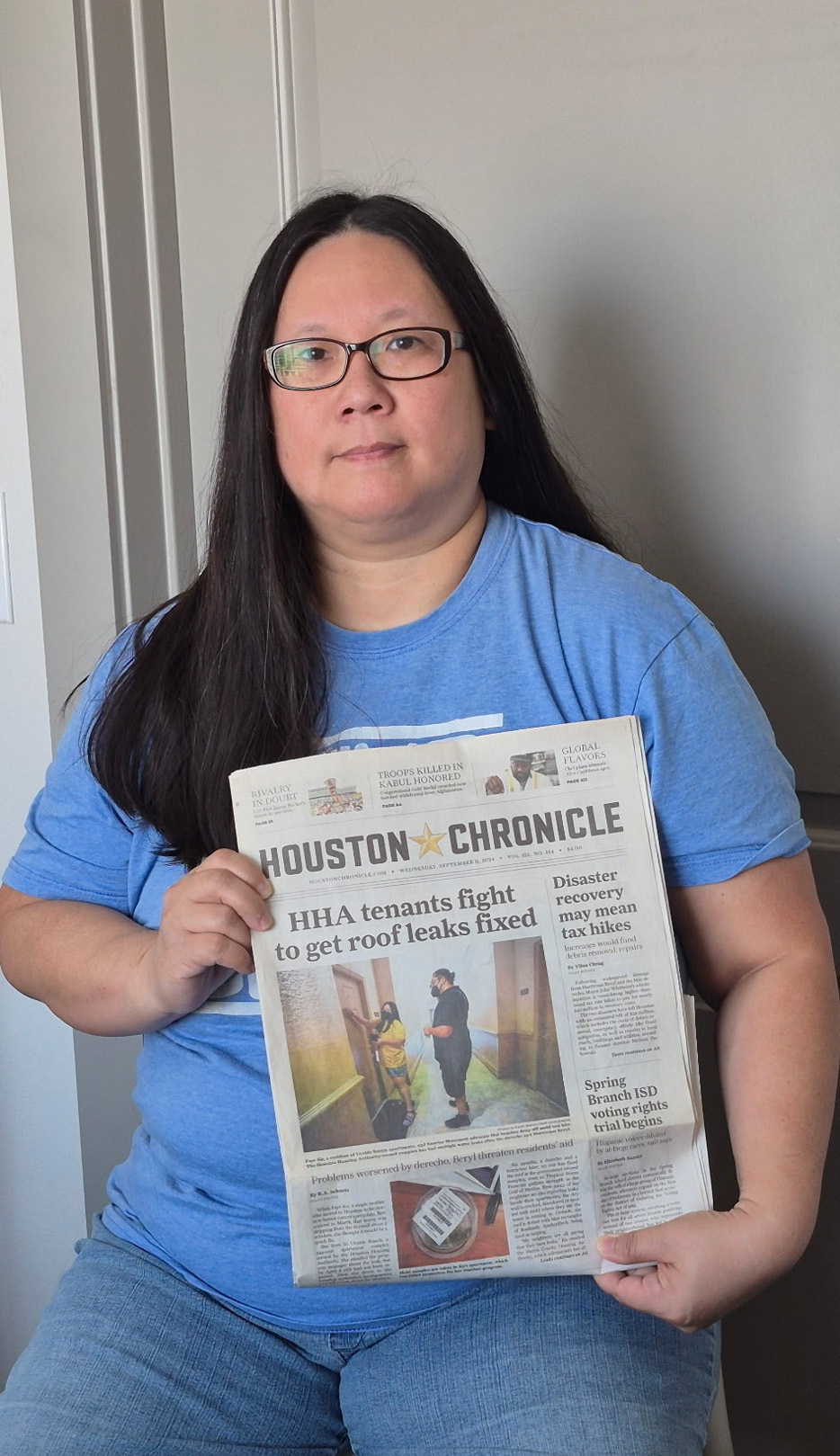
Faye Ku, seated, holds a newspaper reporting the damage to her apartment complex in Houston.

Faye Ku, pictured with the newspaper reporting the damage to her apartment complex in Houston. Ku's apartment suffered extensive water damage during Hurricane Beryl and became susceptible to black mold growth.

Hurricanes have similarly long-lasting impacts. Faye Ku, a Houston resident living on a fixed income, is still being affected over two years later by Hurricane Beryl in 2024.

The earliest Category 5 hurricane ever recorded in the Atlantic ocean, Beryl's heavy rainfall was fueled by higher ocean temperatures and increased atmospheric moisture from warmer air in 2024.

When water came gushing in through a ceiling leak, Ku had to navigate the complicated housing authority voucher system to find a new home for her and her son. In the end, they moved more than 30 miles away.

“I spent over $2,000 on moving, and only about $500 was recovered with FEMA. As a poor person without a guaranteed income, the rest of the spending sits on a credit card, growing every month with interest.”

– Faye Ku, Houston resident

Many of Ku's neighbors couldn't afford to move. Now, they're “just struggling to survive and not understanding how the mold on the walls is affecting their children,” she says.

10 Year Change in Home Insurance Premiums Costs (inflation adjusted 2024$)

-$500
±0
+$500
+$1000
+$1500
No Data

For homeowners in Florida, annual rates have increased as much as $1,500 between 2014 and 2024.

Home insurance premiums

Home insurance premiums are rising across many counties in the U.S. Worsening extreme weather is among the factors driving up costs, alongside increasing building costs and construction in riskier, more disaster-prone areas.

While prices are increasing all over, premium increases are hitting hot spots of climate risk like Florida and Louisiana particularly hard. Insurance companies are pulling back from high-risk areas, like wildfire-prone areas in California, or limiting coverage options, especially among low-income homeowners, leaving more people burdened with greater costs of rebuilding after disasters.

For homeowners in Florida, annual rates have increased as much as $1,500 after accounting for inflation between 2014 and 2024. Kevin H. of Pinellas County has seen his premium increase 40% from 2023 to 2025. “Many people in our state live on fixed incomes,” he said, “and yet it's common for homeowner's insurance to increase substantially each year. Eventually, people on fixed incomes will be forced to sell their homes due to homeowner's insurance costs.”

Annual average cost of premiums in Pinellas County, Florida. Source: Benjamin J. Keys and Philip Mulder (2025).

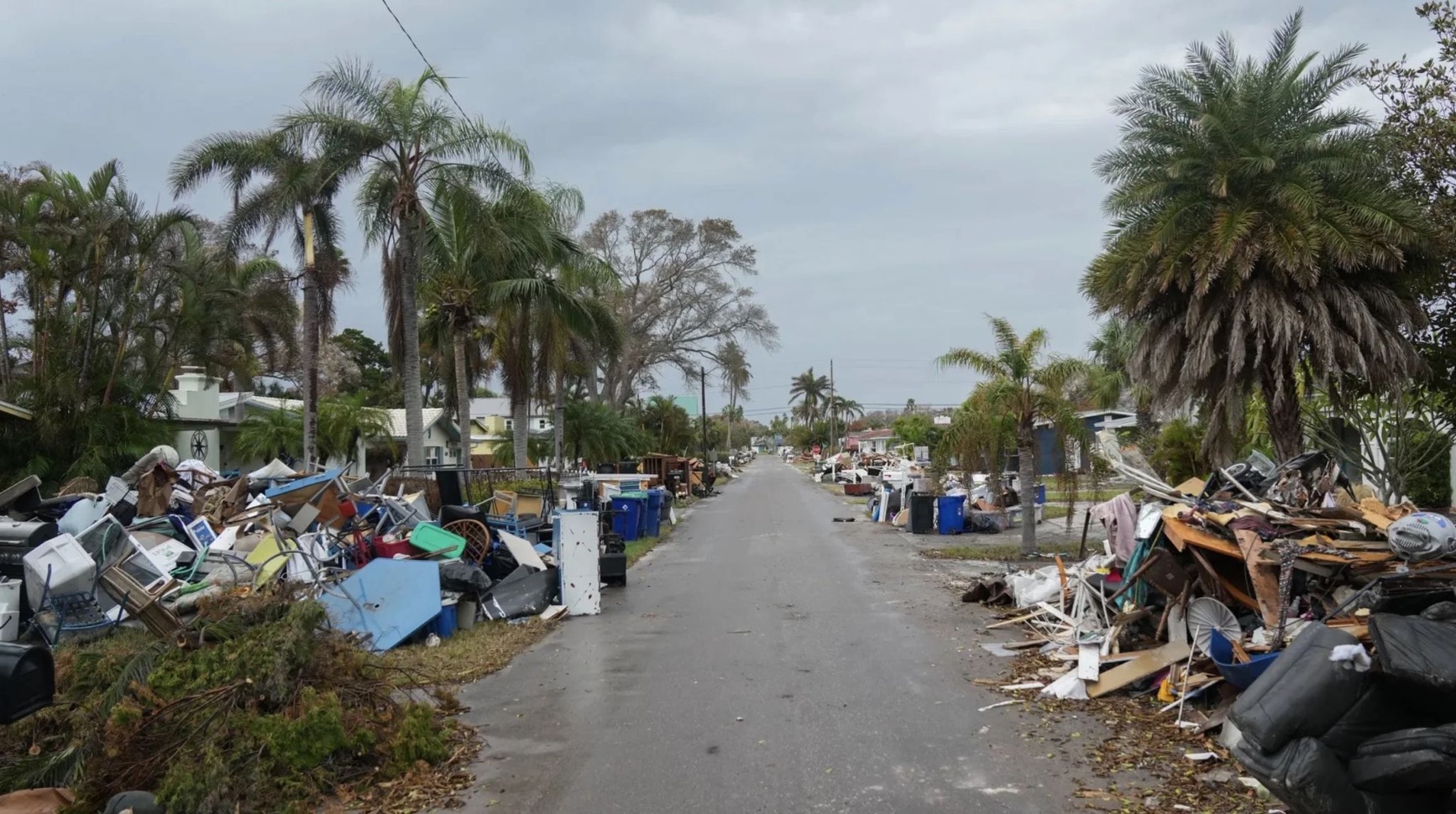
Debris litters both sides of a St. Petersburg, FL street in the aftermath of hurricanes in 2024.

St. Petersburg after Hurricane Milton, which made landfall only two weeks after Hurricane Helene in 2024. Photo courtesy of EDF's Florida State Affairs Team.

The Trump administration is making climate change worse.

Increase to Health Costs through 2055
$0.3B
5
10
25
55
$118B
No Data

The Trump administration's repeal of the Endangerment Finding and all limits on planet-warming pollution from vehicles will only make these impacts worse.

  • Climate Pollution: The repeal will increase climate pollution by up to 18 billion metric tons over the next 30 years, more than three times the total emissions from the U.S. last year.
  • Health Harms: Increases in smog and soot pollution will lead to up to $500 billion in additional health harms for Americans including leading to up to 58,000 premature deaths.
  • Fuel Costs: This action will also drive fuel costs up with Americans paying up to $1.4 trillion more to fuel their cars between now and 2055. Every state will be impacted. Thirty-six states will see at least $10 billion in increased fuel costs, and 11 states will see more than $40 billion.

By making Americans spend more money on gasoline to power less efficient vehicles, the administration is squeezing budgets. Many could have to choose between paying for essential costs like fuel or buying groceries, all while clean energy and manufacturing investments could create jobs and wealth across our economy, and put money back in Americans’ pockets.

“I'm terrified. It's already bad now, but how much worse can it get, you know?”

– Faye Ku, Houston resident

Learn more.

The repeal of the Endangerment Finding and vehicle climate pollution standards will endanger us all. To learn more about how your state is being affected by climate pollution, visit our interactive series of maps here.

EDF and our partners are working to stop the Trump administration from advancing their dangerous agenda. To support our work, visit EDF.org

Explore the Maps
Photo courtesy of EDF's Florida State Affairs Team.