


EDF PCS Research Program Strategic Advisory Board
Members of the Strategic Advisory Board help shape our RFPs and communicate about the research calls to key scientific networks, ensuring our program’s body of research is robust, coordinated and cohesive and that we are bringing a diversity of perspectives to bear in targeting the highest-priority questions.
Quick PCS links
PCS research program
Funding opportunities
-
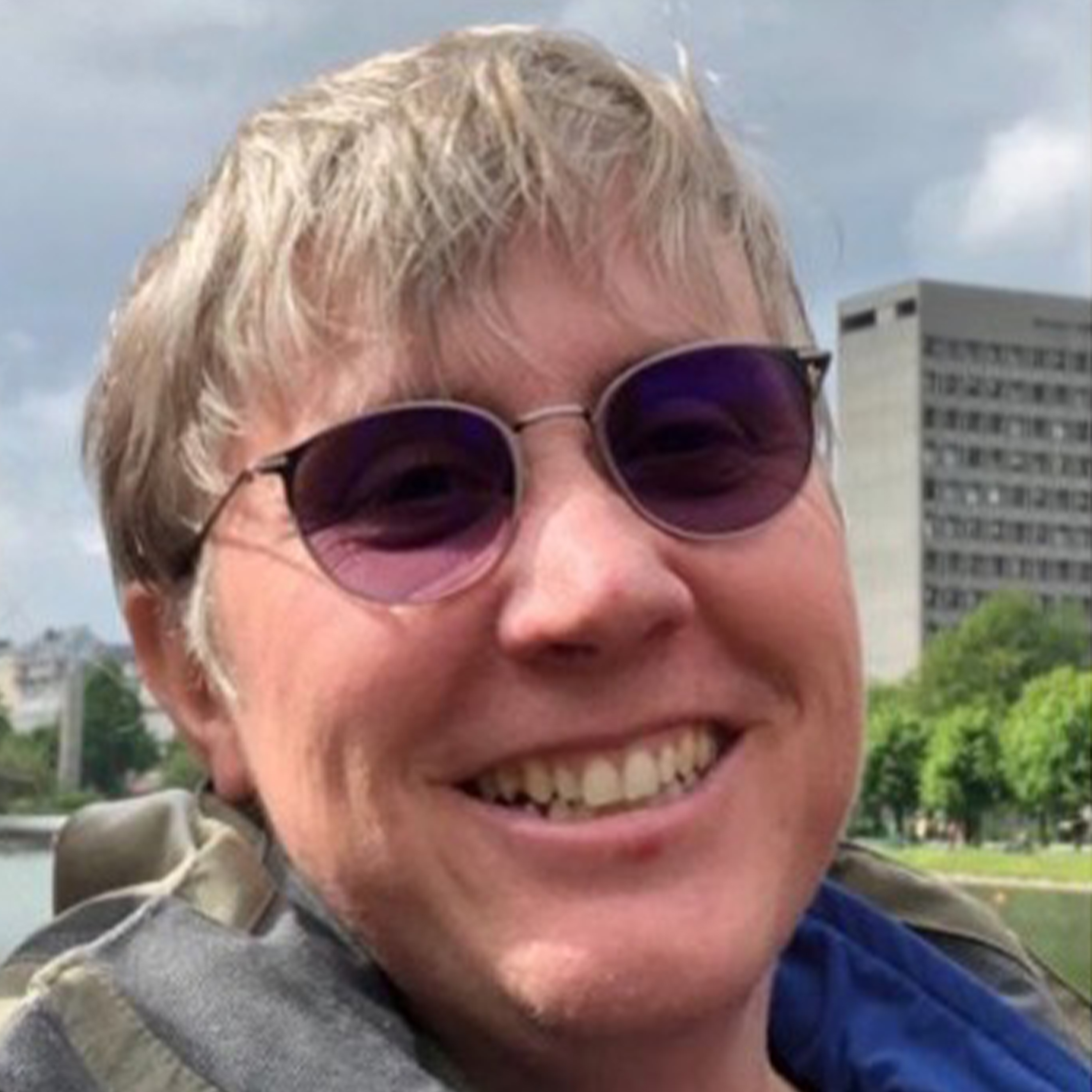
Beth Fulton
CSIRO, AustraliaDr Beth Fulton is a Chief Research Scientist with CSIRO where she leads work on aspects of integrated oceans stewardship, marine climate adaptation and the blue economy. In shaping the strategic direction for CSIRO’s research in these areas, she is building off nearly 30 years of work developing various system modelling tools for looking at marine ecosystems, sustainability and adaptation. Beth is also an Adjunct Professor and co-Deputy Director at the Centre of Marine Socioecology, a centre focuses on working collaboratively to find transdisciplinary, equitable and sustainable solutions to the problems facing coasts and oceans.
-
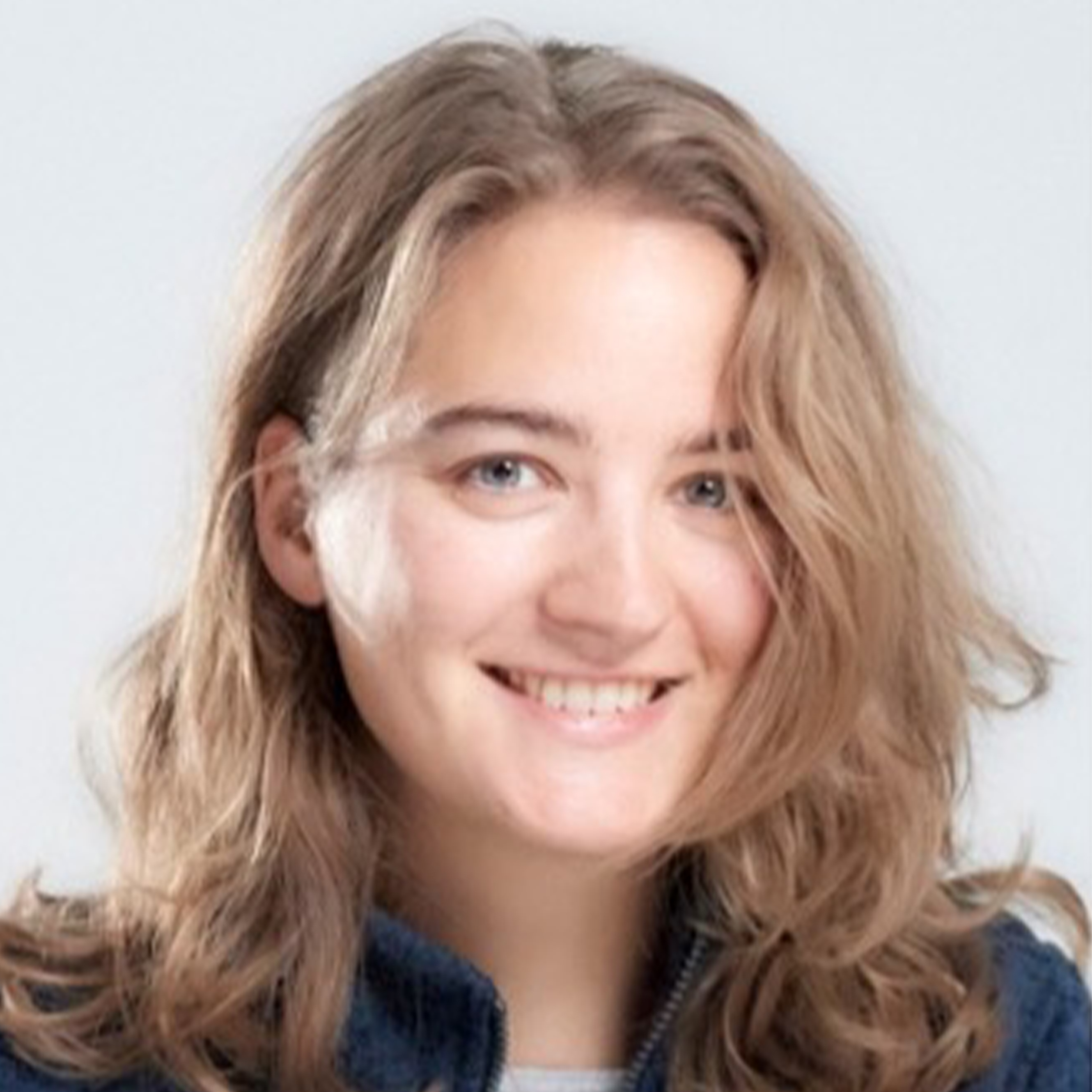
Charlotte Laufkötter
Universität Bern, SwitzerlandProfessor Charlotte Laufkötter is a marine biogeochemistry modeler currently based at Bern University. Her research interests include marine plastic pollution, phytoplankton under climate change, the marine biological carbon cycle, and marine heatwaves. She studied Computer Sciences at RWTH Aachen University and Biological Oceanography at Bremen University, Germany. In 2014, she earned her PhD at ETH Zürich, where she focused on future marine primary and export production in Earth System Models.
-
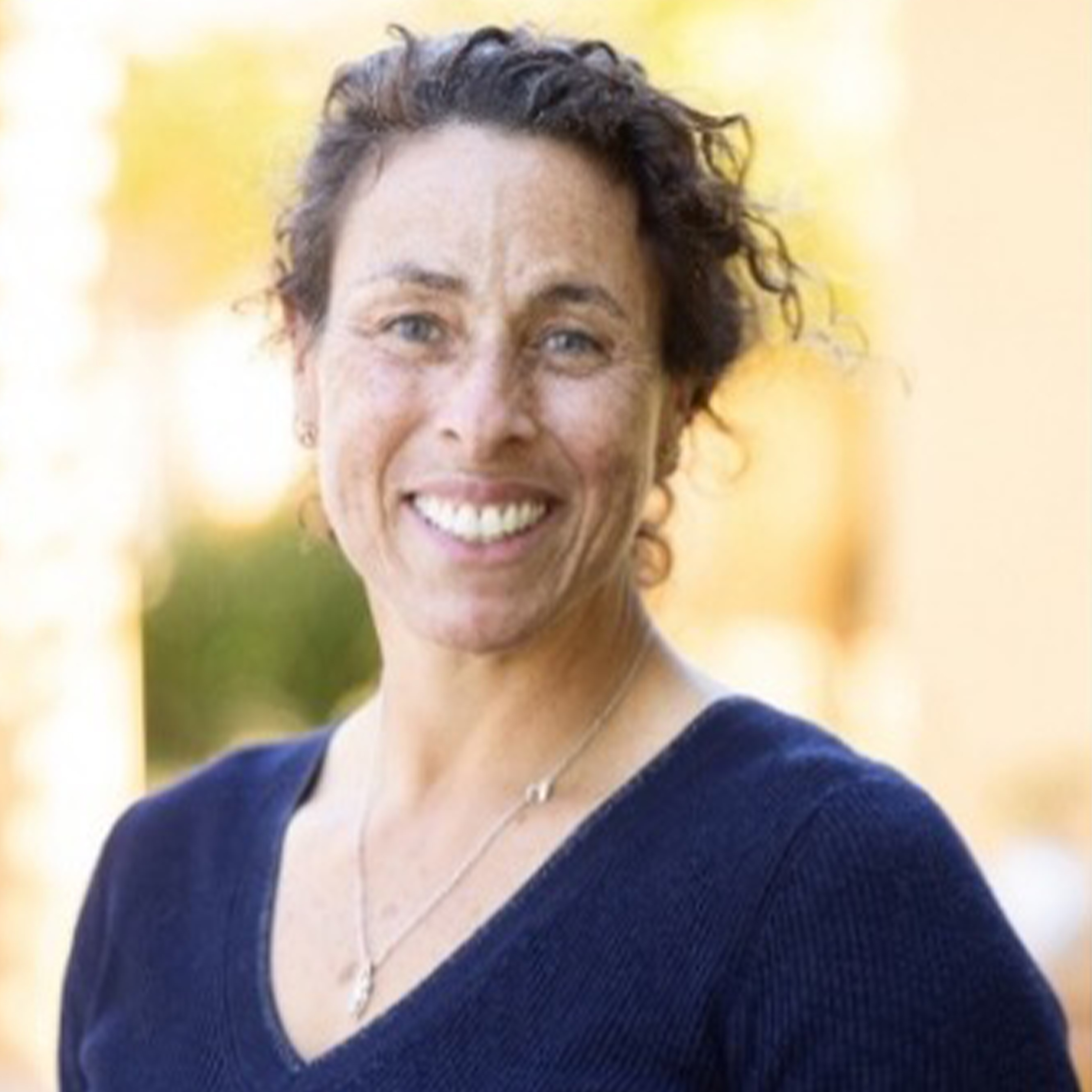
Claudia Benitez-Nelson
University of South Carolina, USAProfessor Claudia Benitez-Nelson is a Carolina Distinguished Professor at the University of South Carolina whose research focuses on marine biogeochemistry, carbon cycling, nutrient dynamics, and ocean processes using naturally occurring radionuclides. She has authored more than 150 peer-reviewed publications, including articles in Science and Nature, and has received major research and education grants throughout her career. A fellow of AAAS and leading ocean science organizations, she chairs the National Academies’ Ocean Studies Board and serves on the White House Ocean Research Advisory Panel. She is also recognized for excellence in teaching and mentoring, receiving numerous awards for scientific leadership and education.
-
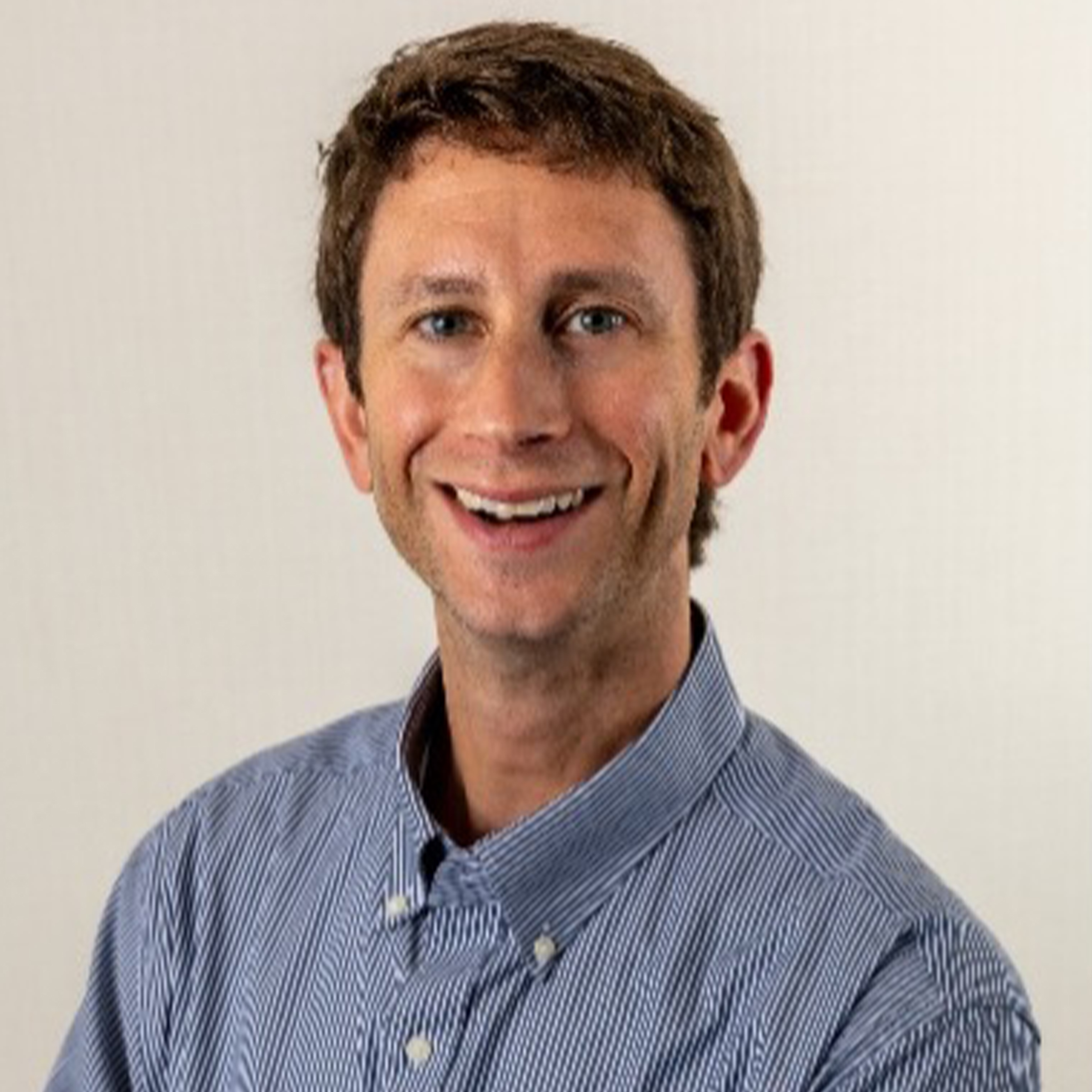
David Koweek
Ocean Visions, USADavid Koweek is the Chief Scientist at Ocean Visions, where he is responsible for ensuring scientific accuracy and integrity around the research, policy, and climate solutions developing at the intersection of ocean conservation and climate change. He is a leading authority on the potential of ocean-climate solutions and serves on leadership boards and panels internationally. Trained as a marine and Earth system scientist, he has led and participated in field expeditions around the world. He holds a Ph.D. from Stanford University, a B.S. from Brown University, and conducted postdoctoral research at the Carnegie Institution for Science. He also serves as a board director for Spark Climate Solutions.
-
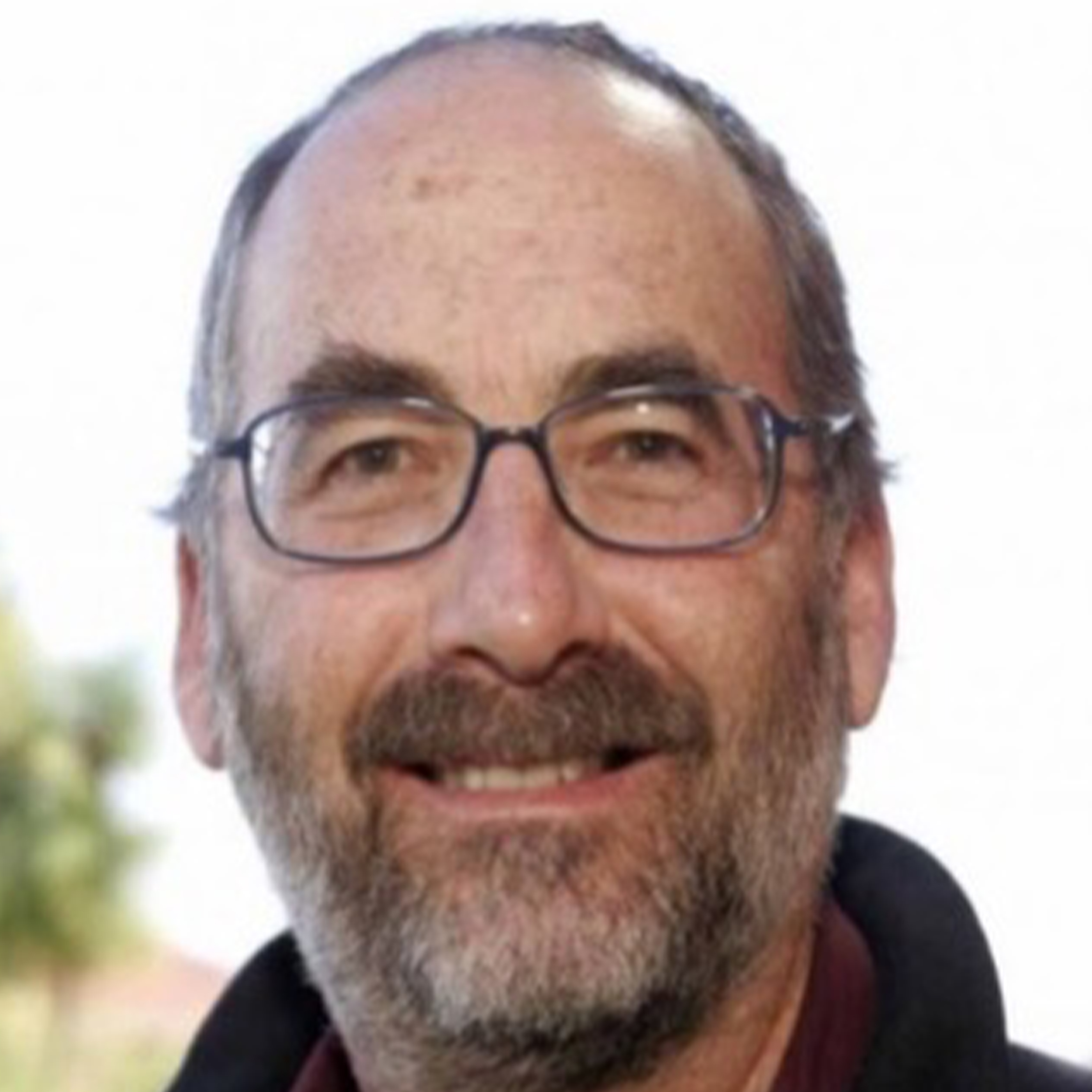
David Siegel
University of California, Santa Barbara, USADavid Siegel is Distinguished Emeritus Professor of Marine Science at the University of California, Santa Barbara. His research focuses on ocean carbon cycling, remote sensing, coastal oceanography, and marine ecosystems. He leads NASA’s EXPORTS program, which advances understanding of the ocean’s biological carbon pump, and is a fellow of the American Geophysical Union and American Association for the Advancement of Science. He serves on the U.S. National Academy’s Marine Carbon Dioxide Removal Standing Committee and has contributed to major ocean carbon research initiatives. He holds a Ph.D. in geological sciences from the University of Southern California.
-
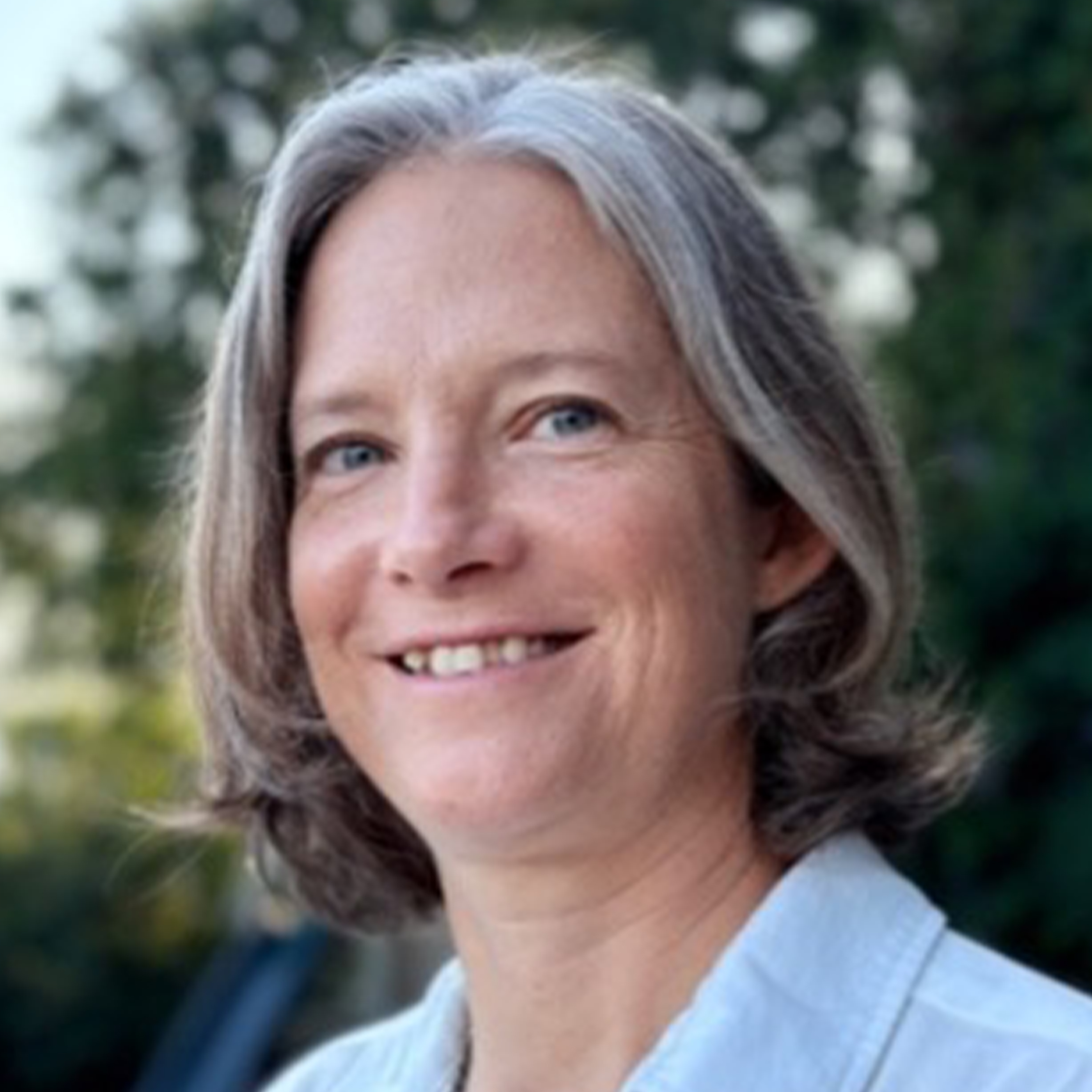
Emma Rocke
University of Cape Town, South AfricaDr Emma Rocke is a marine microbial ecologist at the University of Cape Town, where she leads the Marine Microbial Ecology group within the Marine and Antarctic Research center for Innovation and Sustainability (MARiS) and chairs the MARiS Science Steering Committee. Her work uses multi-omics and ecological approaches to understand how marine microbiomes regulate biogeochemical cycling, ecosystem functioning, and carbon flow in coastal and upwelling systems, particularly the Benguela Upwelling System. She co-chairs the World Microbiome Partnership Working Group on Environmental Microbiomes and Climate Change, bringing expertise in microbial carbon cycling, phytoplankton–microbe interactions, and science-policy translation to the Strategic Advisory Board.
-
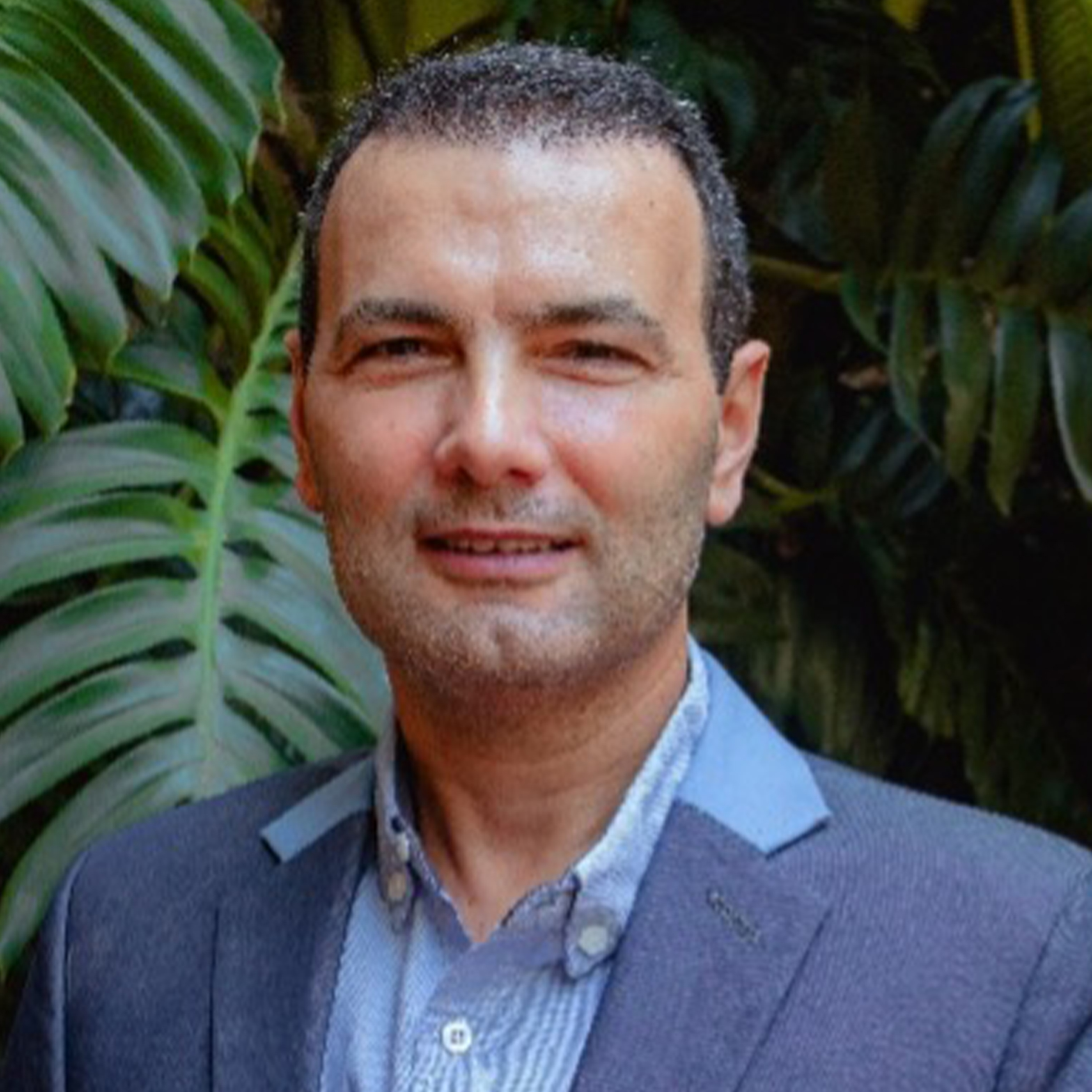
Hugo Sarmento
Universidade Federal de São Carlos, BrazilProf. Dr. Hugo Sarmento is an aquatic microbial ecologist and Associate Professor at the Federal University of São Carlos (UFSCar), Brazil, where he leads the Laboratory of Microbial Processes and Biodiversity. His research explores aquatic microbiomes, microbial biodiversity, plankton food webs, biogeochemical processes, and the impacts of global change in tropical ecosystems using molecular and omics approaches. Originally from Portugal, he earned his Ph.D. from the University of Namur, Belgium, and conducted postdoctoral research at CSIC in Barcelona. He has led international research initiatives, including AtlantECO and South American Ocean Sampling Day, and has authored more than 100 scientific publications.
-
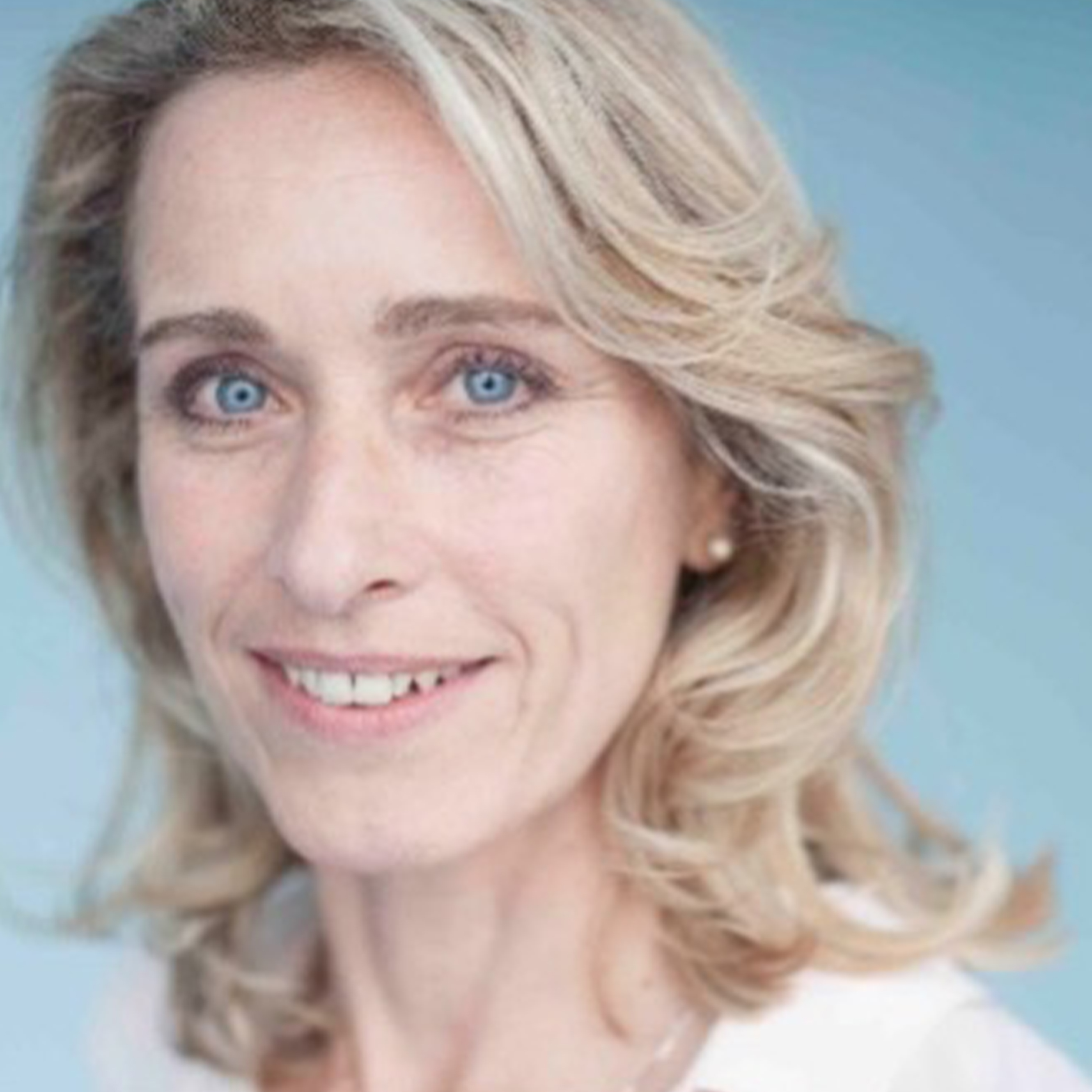
Marie Boye
Paris Institute of Earth Physics, FranceMarie Boye is a CNRS Research Director in Marine Biogeochemistry at the Institut de Physique du Globe de Paris (IPGP), France. Her research examines how climate change and human activities affect ocean biogeochemical cycles, marine microorganisms, and phytoplankton productivity, with a focus on their role in climate regulation. Drawing on extensive international research across the Atlantic, Southern Ocean, Mediterranean, and tropical marine systems, she brings deep expertise in trace metal cycling, ocean biogeochemistry, and marine carbon dioxide removal. Her work helps evaluate the effectiveness, environmental impacts, and risks of biotic carbon removal approaches to support science-based climate solutions.
-
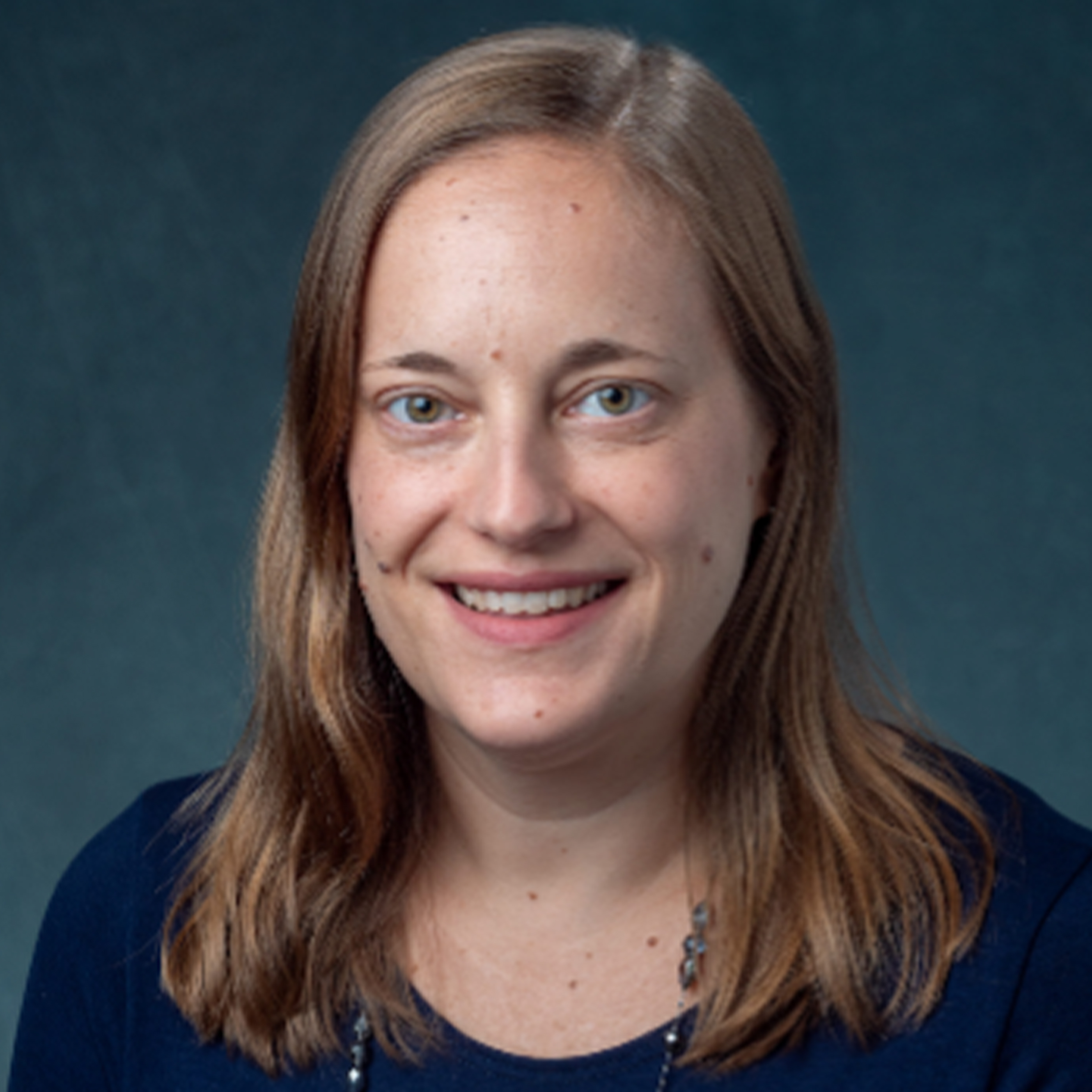
Nikki Lovenduski
University of Colorado Boulder, USANikki Lovenduski is a Professor of Atmospheric and Oceanic Sciences at the University of Colorado Boulder, where she is currently serving as Director of the Institute of Arctic and Alpine Research. She and her group conduct modeling and observational studies of all aspects of modern-day ocean biogeochemistry, with a focus on the oceanic carbon cycle and its connection with the atmospheric carbon dioxide concentration.
-
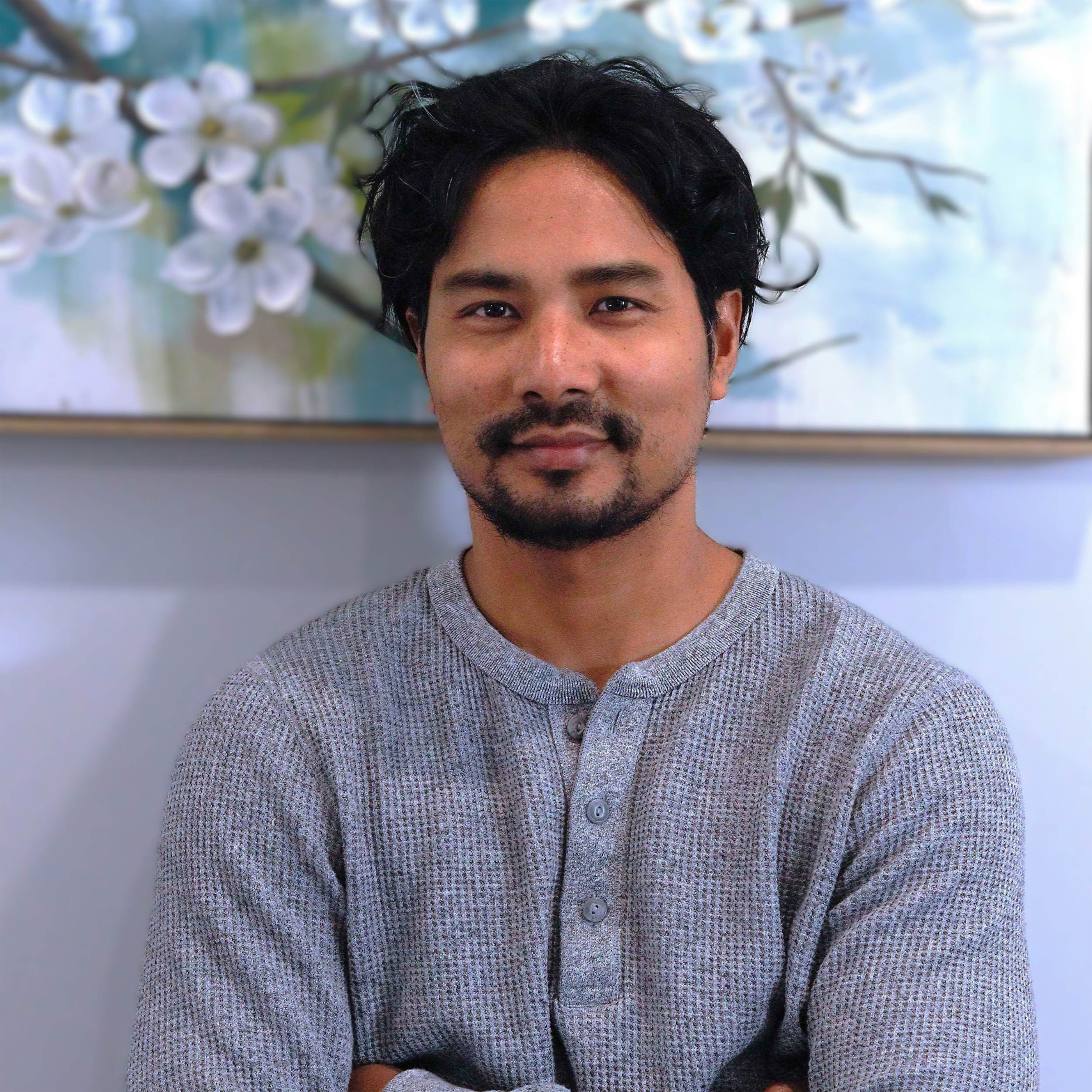
Yuwan Malakar
CSIRO, AustraliaDr Yuwan Malakar is a Research Scientist at CSIRO, Australia’s national science agency, specialising in the governance and social dimensions of climate interventions. His research examines how scientific, social, ethical, and institutional considerations can be integrated into the responsible development and deployment of marine carbon dioxide removal (mCDR). Through collaborations with governments, industry, and international partners, he supports evidence-based decision-making and responsible innovation for a net-zero future.
Your gift can help reduce dangerous pollution
Give now to defend our planet:
Donate now and triple your impact to build a cleaner, safer, more affordable future in 2027 and beyond.
Give now to defend our planet: