


Climate change
Building a cleaner future
The problem: The Earth keeps getting hotter. Evidence of climate change is everywhere. But if we act now, we can limit the worst impacts of global warming, from extreme weather to disrupted food supplies to effects on people’s health. Together, we can create a cleaner, healthier and more stable world.
What we’re doing about it: EDF is ramping up game-changing solutions at a global scale. Because big ideas are only as good as their real-life impacts, we work with many partners — fishers facing dwindling catches, farmers struggling through floods and drought, families breathing polluted air — to build a safer world for future generations.
Understanding the climate crisis
Learn more about climate change — and solutions for sustaining the Earth’s vitality.
-
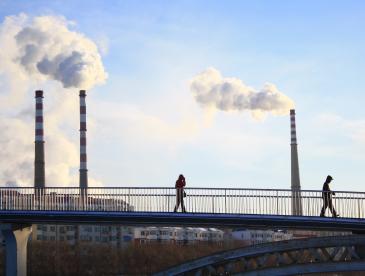 Explainer
9 ways we know humans caused climate change
-
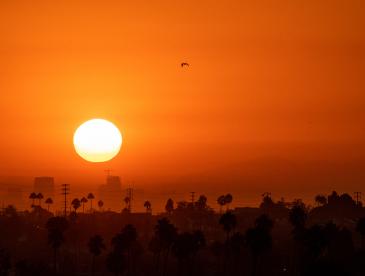 Explainer
3 big ways climate change is impacting your life
-
 Explainer
This is why fighting climate change is so urgent
-
 Explainer
Extreme heat, explained: How a warming world makes heat waves worse
-
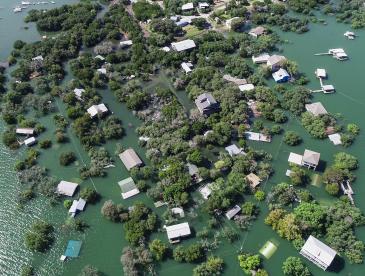 Overview
Extreme weather and climate change
-
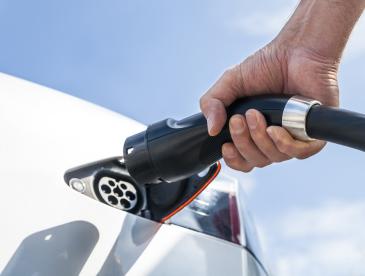 Overview
Cutting greenhouse gases to build a safer climate
Our most-read climate explainers
Check out some of our most popular articles, and other useful explainers.
- Extreme weather: How climate change fuels dangerous heat, hurricanes and floods
- Wildfires: What does a hotter planet mean for wildfires?
- Home insurance: The rising cost of disaster insurance in a warming world
- Air pollution: How burning fossil fuels is hurting our health and the planet
- Carbon markets: How do these markets work — and why do we need them?
- Methane: Learn more about this potent greenhouse gas
- Hydrogen: Is hydrogen the climate-friendly energy solution we need?
- Electric vehicles: An EDF expert answers common questions about EVs
- Green jobs: Tips for getting started on your journey to a climate-focused career
- Climate misinformation: Our toolkit for fighting climate misinformation
- Paris Agreement: What is the Paris climate accord, and why does it matter?
Watch: EDF Explains video series
These short videos explain big climate and environmental challenges — and big opportunities. See all videos in the series.
Air pollution and climate change are deeply connected, as EDF scientist Veronica Southerland explains.
EDF’s Tianyi Sun explains the promise and challenges of hydrogen as a potential climate solution.
Our bold solutions for fighting climate change
Here are some of the game-changing ways EDF is building a safer world for everyone. See more of our work.
-
 Overview
Our cutting-edge science is guiding global action to cut methane emissions
-
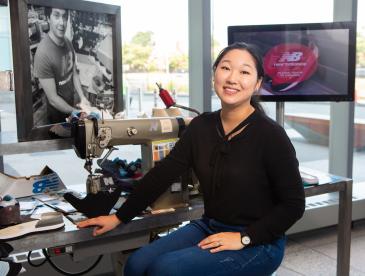 Initiative
Building climate leaders with EDF Climate Corps
-
 Article
The forgotten 15% of global warming
-
 Article
India’s new green revolution: How farmers are cutting pollution while saving money
-
 Article
These villages protected their forests. Now they’re seeing the financial benefits.
-
 Overview
How EDF is fighting climate misinformation — and how you can help
You can make a difference now
Take action today to address the climate crisis. See more ways to get involved.
-
Sign a petition
Take actionAdd your name to the millions of people demanding change on environmental issues from leaders in the United States.
-
Explore climate careers
Learn about green jobsGet practical tips and inspiration for launching a planet-saving career. View job boards and other resources.
Our climate change experts
We bring wide-ranging perspectives and skills to our work tackling climate change. Meet some of the people who make it happen.
-

Senior Director, Climate-Resilient Food Systems
-

Senior Manager, Global Dairy Industry, EDF+Business
-

Climate Scientist
-

General Counsel
-

Associate Vice President, Tropical Forests
-

Lead Senior Scientist
Staff perspective
Now is the time to go all-in on saving what we have and reimagining our future, one with stronger, more resilient communities — with better health and better lives for all.
Amanda Leland
Executive Director
Maximize your impact to reduce pollution and safeguard our health
Give now to defend our planet:
Your gift can help reduce dangerous pollution
Give now to defend our planet: