


Agriculture
Making farming more sustainable and productive
The problem: Globally, agriculture contributes one-quarter of the pollution warming the climate. At the same time, climate impacts like droughts and heat waves are already threatening the livelihoods of more than 1 billion people who depend on agriculture to support their families. Business as usual isn’t working for farmers, ranchers or the planet.
What we’re doing about it: We’re expanding the use of climate-smart practices in the U.S., EU, China and India to increase food production for a growing population, rapidly reduce powerful pollutants like methane and nitrous oxide, and make rural communities more resilient.
Our work expanding the use of climate-smart practices
-
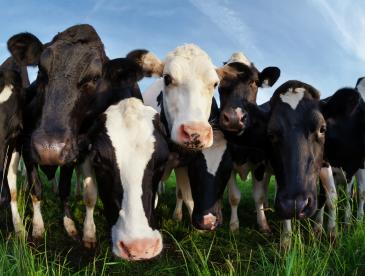 Overview
Helping livestock farmers cut methane emissions
-
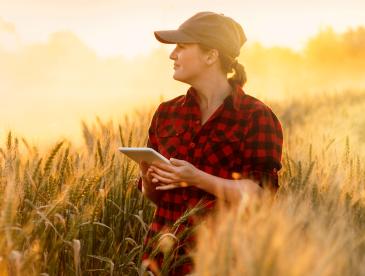 Overview
The race to climate-proof agriculture
-
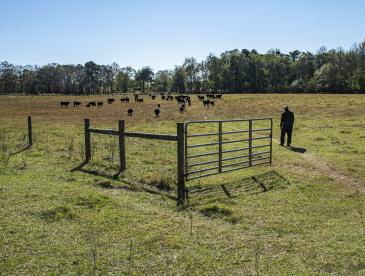 Initiative
A farm bill that helps farmers, ranchers and the climate
-
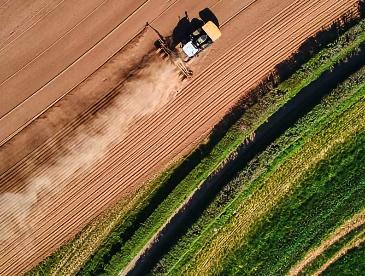 Website
Harnessing the power of farm loans and crop insurance
-
 Initiative
Make the invisible loss of nitrogen visible
-
 Article
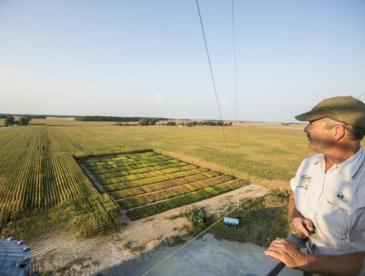
Farmers and scientists dig into the climate power of soil
Updates
Read the latest articles, blogs and press releases on climate smart agriculture.
-
Farmers need support to survive this economic squeeze
Blog post, -
Animal health is key to healthy people and planet
Blog post, -
Without financing solutions, farmers have to leave money — and environmental benefits — on the table
Blog post, -
Environmental Defense Fund, Danone, and Bel Group Call on EU to Act on Methane Emissions in Dairy Sector
Press release, -
Farmers and families will be harmed by USDA burial of climate science
Press release, -
How to build a national effort to secure America’s disappearing groundwater
Blog post,
Agriculture resources
Dig deeper into our work with these resources for researchers, policymakers, journalists and communities.
- Blog
Growing Returns: EDF blog featuring discussions of resilient land and water systems
- Overview
Soil carbon: Can cropland soils be a part of the climate solution?
- Video
Fireside chat: Dairy for nutrition and livelihoods, a perspective from India
- Report
Heat stress threatens agricultural workers’ health
- Interactive tool
How climate change threatens U.S. crop production
- Blog post
Managing climate change risks at agricultural finance institutions
Our agriculture experts
We bring wide-ranging perspectives and skills to our agriculture work. Meet some of the people who make it happen.
-

Senior Vice President, Agriculture, Water and Food
-

Lead Senior Scientist
-

Senior Director, Climate-Smart Agriculture
-

Senior Scientist, Livestock Systems
-

Senior Director, Global Agriculture Methane
-

Senior Policy Director, Agriculture
Media contact
Hilary Kirwan
(202) 572-3277 (office)