


Clean air
Helping a billion people breathe cleaner air
The problem: Around 99% of people breathe unhealthy air worldwide, and air pollution cuts short more than 8 million lives every year. Burning oil, gas or coal for power sends harmful gases and tiny particles into the air that damage our hearts, lungs and brains. People living closest to polluters are more likely to get sick, and a warming climate makes air quality worse.
What we’re doing about it: We aim to help 1 billion more people breathe cleaner air by 2030. Working first to clean up the air in the hardest-hit neighborhoods, we equip governments in North America, Latin America, the Caribbean and Asia with the data and insights they need to strengthen communities, bring down pollution and hold polluters accountable.
Watch now: What can we do about air pollution?
Our work reducing air and climate pollution
-
 Explainer
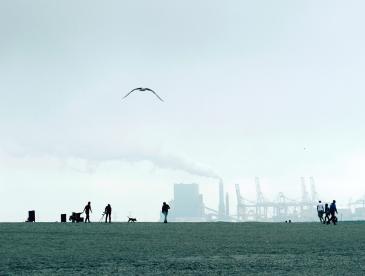
How are air pollution and climate change connected?
-
 Interactive tool
Air Tracker: Mapping local air pollution
-
 Article
This American mayor stepped up to fight air pollution – yours can too
-
 Project
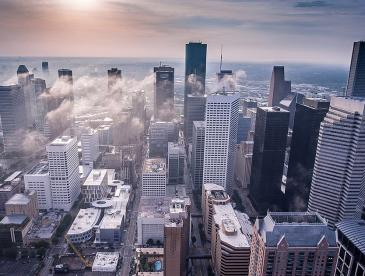
Our pioneering work to map and measure local air pollution
-
 Blog post
One in four New York State residents lives within half a mile of a mega-warehouse
-
 Blog post
How weather events, made worse by climate change, push air pollution higher
Updates
Read the latest articles, blogs and press releases on clean air.
-
Coming Soon: A Trump EPA proposal to weaken pollution limits for the turbines that power data centers
Press release, -
Oral argument in a lawsuit challenging unlawful delays of methane pollution limits
Backgrounder, -
Statement: Delaying climate pollution reporting will leave Americans in the dark
Press release, -
Statement: EPA’s methane repeal would put polluters first and waste America's energy
Press release, -
Statement: Proposed Peoples Gas order advances safer, fairer approach to methane leaks
Press release, -
At public hearing, EDF strongly opposes abandonment of protections against power plant pollution
Press release,
Clean air resources
Dig deeper into our work with these resources for researchers, policymakers, journalists and communities.
- Collection
Clean air and climate action: Resources for local U.S. leaders
- Interactive tool
Map: Facilities that could get a pollution pass from the Trump administration
- Interactive tool
Chemical Exposure Action Map
- Explainer
How does air pollution affect our health?
- Explainer
How methane harms our health and what we can do about it
- Report
Breathing life into Amazonian cities: A case for clean air investments
Our clean air experts
We bring wide-ranging perspectives and skills to our clean air work. Meet some of the people who make it happen.
-

Senior Vice President, Healthy Communities
-

Associate Chief Scientist
-

Manager, Economics and Policy
-

Senior Policy Director, Global Clean Air
-

Senior Health Scientist
-

Senior Air Quality Scientist
Media contact
Cecile Brown
(202) 271-6534 (office)
Your gift can help reduce dangerous pollution
Give now to defend our planet:
Donate now and triple your impact to build a cleaner, safer, more affordable future in 2027 and beyond.
Give now to defend our planet: