


Climate pollution
Cutting greenhouse gases to build a safer climate
Greenhouse gas emissions from various sources of pollution drive global warming. Reducing them is key to limiting climate change.
We’re creating solutions to cut those emissions in ways that benefit the environment and communities, building the safer climate we all deserve.
Our work
There are meaningful, cost-effective ways to make a difference today. Here are some areas where we’re taking action.
-
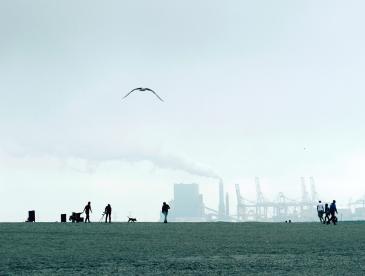 Explainer
How are air pollution and climate change connected?
-
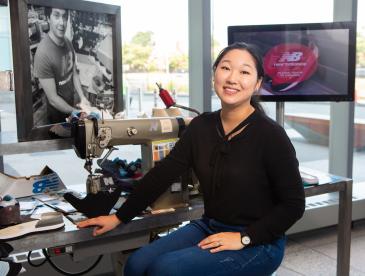 Initiative
Building climate leaders with EDF Climate Corps
-
 Overview
Our cutting-edge science is guiding global action to cut methane emissions
-
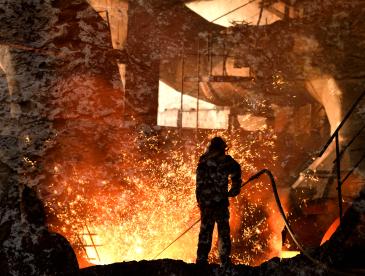 Explainer
Clean or dirty: Is hydrogen the climate-friendly energy solution we need?
-
 Blog post
We can feed a growing population while shrinking fertilizer pollution. Here’s how.
-
 Article
The forgotten 15% of global warming
Resources
- Explainer
9 ways we know humans caused climate change
- Explainer
What are carbon markets, and why do we need them?
- Article
What is the Paris Climate Agreement? And why does it matter?
- Explainer
How the Trump administration is attacking limits on pollution
- Toolkit
How we can fight climate change misinformation
- Project
Measuring hydrogen emissions: A global research collaboration
Updates
Read the latest articles, blogs and press releases on climate pollution.
-
Statement: EPA’s methane repeal would put polluters first and waste America's energy
Press release, -
Statement: Proposed Peoples Gas order advances safer, fairer approach to methane leaks
Press release, -
Leveling the playing field on methane, strengthening Pennsylvania’s competitive advantage
Blog post, -
At public hearing, EDF strongly opposes abandonment of protections against power plant pollution
Press release, -
Coalition Sues Trump Administration Over Rule Making Cars Less Fuel Efficient
Press release, -
In the midst of soaring gas prices, Trump administration weakens fuel economy standards for new cars and trucks
Press release,
Our experts
We bring together people with diverse skills to tackle climate pollution. Here are some who represent key parts of this work.
-

Associate Vice President, Carbon Markets and Private Sector Decarbonization
-

Senior Scientist, Low-Carbon Energy
-

Lead Senior Scientist, MethaneSAT
-

Senior Vice President, Chief Scientist
-

General Counsel
-

Senior Climate Scientist
Media contact
Sharyn Stein
(202) 905-5718 (office)
Maximize your impact to reduce pollution and safeguard our health
Give now to defend our planet:
Your gift can help reduce dangerous pollution
Give now to defend our planet: