


Science
Creating bold solutions based on research
Why science matters: It takes rigorous science to protect people and the planet. One example: Our groundbreaking studies put the powerful climate pollutant methane on the global agenda — and we helped develop cutting-edge techniques to map, measure and reduce it.
How we use this powerful approach: Our scientists lead large-scale collaborations with university and industry partners to guide our work, building on the legacy of the scientists who founded EDF. From getting the toxic pesticide DDT banned in the U.S. over 50 years ago to cutting air pollution today, science drives all we do.
Our work using science to drive lasting change
-
 Overview
Our cutting-edge science is guiding global action to cut methane emissions
-
 Article
Fishermen are helping to predict the next big hurricane
-
 Article
Can the world’s smallest molecule be a big clean energy hero?
-
 Expert Voices
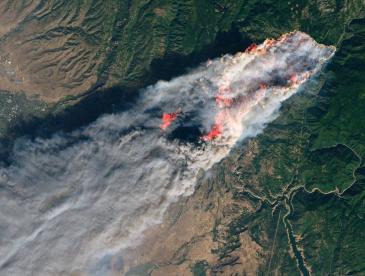
FireSAT: A vision for spotting and tracking wildfires faster and more accurately
-
 Video
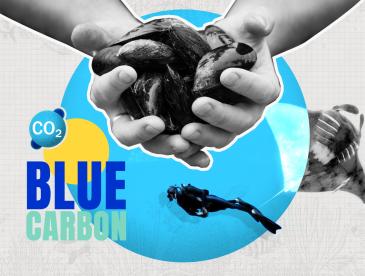
VideoEDF explains: What is blue carbon?
-
 Project
Our pioneering work to map and measure local air pollution
Updates
Read the latest articles, blogs and press releases on science.
-
Pennsylvania steps up to address methane pollution. Here is what is at stake.
Blog post, -
Fishing for Data
Blog post, -
NOAA Faces Significant Budget Cuts: What’s at Stake?
Blog post, -
Groups vigorously oppose Trump administration proposal to politicize funding for science and health
Press release, -
India’s new green revolution: How farmers are cutting pollution while saving money
Article, -
Trump EPA stacks science panel with chemical industry insiders
Press release,
Our science experts
We bring wide-ranging perspectives and skills to our scientific work. Meet some of the people who make it happen.
-

Senior Vice President, Chief Scientist
-

Associate Chief Scientist
-

Associate Chief Scientist
-

Associate Vice President, Oceans Science
-

Lead Senior Behavioral Social Scientist
-

Senior Climate Scientist
Media contact
Anne Marie Borrego
(202) 572-3508 (office)
Triple your impact to reduce pollution and safeguard our health
Give now to defend our planet:
Maximize your impact to reduce pollution and safeguard our health
Give now to defend our planet:
Your gift can help reduce dangerous pollution
Give now to defend our planet: