


Bipartisan win: Billions for recovery
Bipartisan win: Billions for recovery
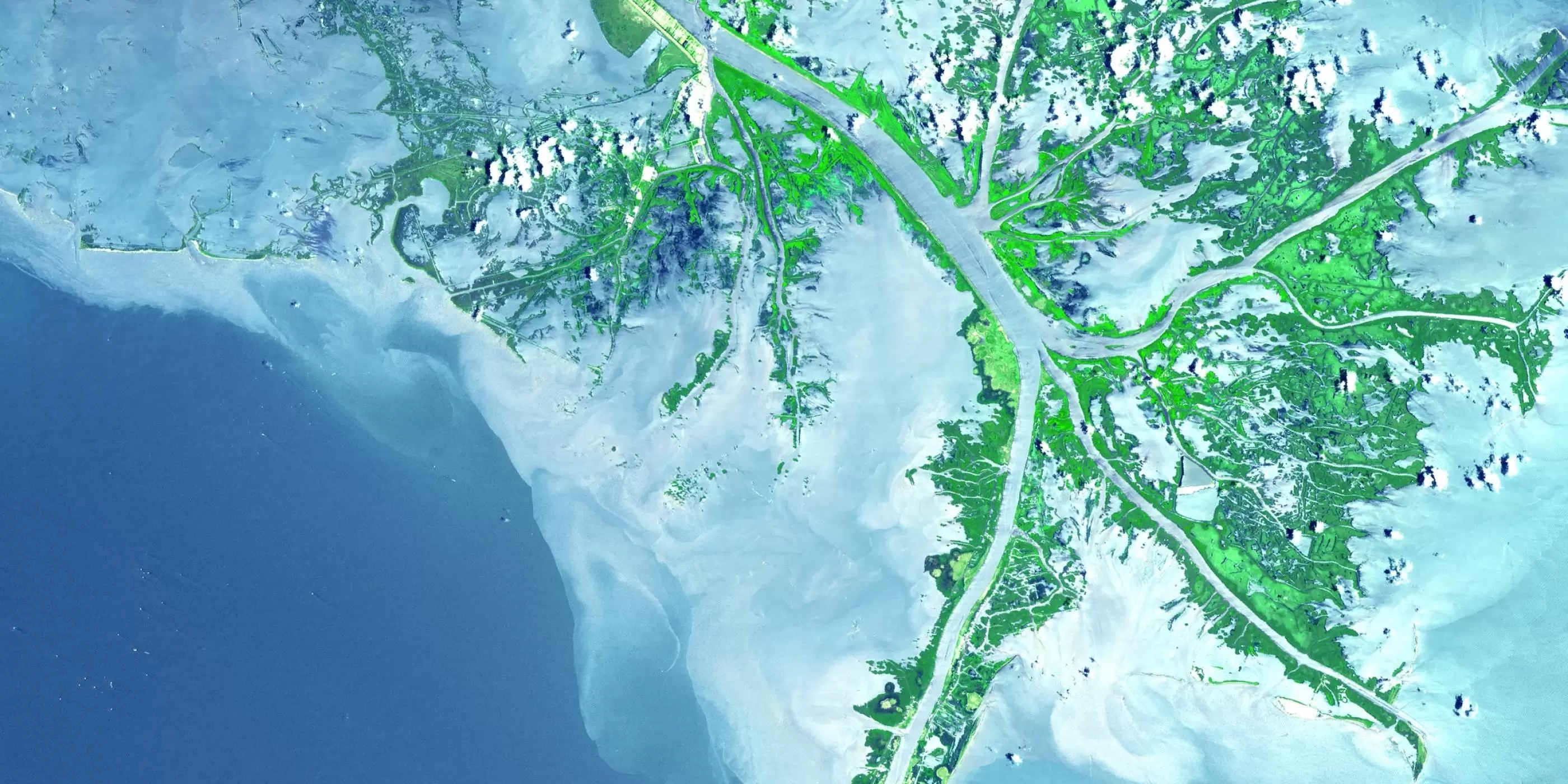
Working across the aisle and with many partners, we secured legislation that guaranteed funding for coastal restoration.
Problem
After the devastating 2010 BP oil spill, the Mississippi River Delta needed funds to recover. However, without legislation to dictate otherwise, Clean Water Act penalties could have been directed elsewhere. A legislative mandate was needed to make sure the Delta got the money it needed. But with Congress agreeing on little – and doing even less for the environment – it was far from a sure thing.
Solution
To persuade lawmakers, EDF helped craft legislative language that showed how commerce and prosperity depend on conservation. The outcome – the bipartisan RESTORE Act – explicitly stated that BP fines must be spent primarily on Gulf Coast ecosystem restoration and job growth. We also helped ensure the law would work in concert with another project we helped with: the Louisiana Coastal Master Plan, a guiding document for restoration of more than 800 square miles of coastal land.
Key partners
Leaders from the oil and gas, fishing, construction and shipping industries joined us to pressure lawmakers to support coastal restoration. Marine scientists, geologists, hydrologists and other experts helped us make the case that Louisiana should prioritize natural infrastructure such as wetlands, barrier islands and oyster reefs.
Results
Both the House and Senate overwhelmingly voted yes for the RESTORE Act. This means that the majority of the $6.7 billion BP and other responsible parties agreed to pay in Clean Water Act penalties for the oil spill will be spent on Gulf Coast restoration. This, in addition to what BP agreed to pay for natural resource damages and criminal penalties, means about $18 billion for Gulf Coast restoration. And thanks to the Coastal Master Plan, Louisiana now has a clear path forward to spend its share.
Updated: December 2018
Partner perspective
EDF played a critical role in bridging differences and winning bipartisan support.
William K. Reilly
Co-chair, National Commission on the BP Deepwater Horizon Oil Spill and Offshore Drilling