


Sustainable fishing
Empowering fishing communities worldwide
The problem: Over 3 billion people rely on seafood for protein, and tens of millions depend on fish for income — yet warming oceans, worsening storms and overfishing are damaging marine ecosystems. When fish populations decline, people face losing a key source of food, and fishers worldwide are in danger of losing their ability to make a living.
What we’re doing about it: We partner with fishing communities and governments to make sure there are enough fish in the water to support thriving communities on shore. By 2030, our goal is for the world’s top fishing nations to be well on their way to making their fisheries sustainable and resilient to a changing climate.
Watch now: Blue foods can help feed the world
Our work strengthening fishing communities around the world
-
 Article
This seafood comes with a backstory you can verify
-
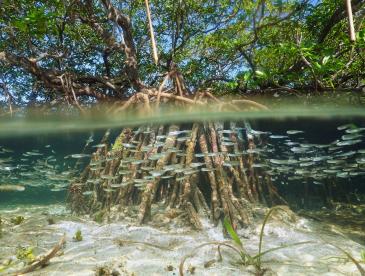 Initiative
Restoring mangrove creek ecosystems in The Bahamas
-
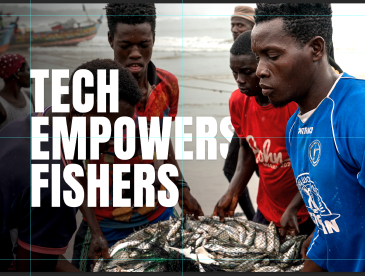 Video
VideoGhana’s traditional fishers are using new tech to bolster climate-smart fishing
-
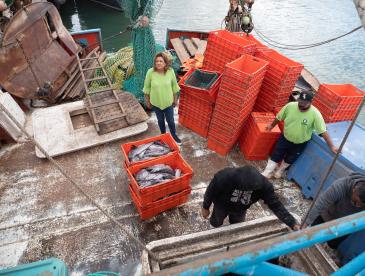 Article
How a Mexican fishery charted a new comeback course
-
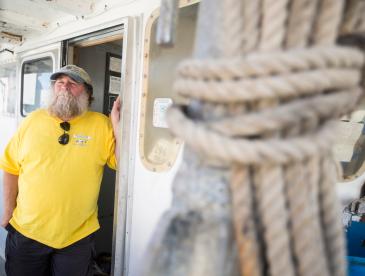 Expert Voices
The little-known story of unlikely allies who saved Gulf Coast fishing
-
 Article
Fishermen are helping to predict the next big hurricane
Where we work
By focusing strategically on these parts of the world, we can make fishing practices sustainable for more than half of the global fish catch.
Updates
Read the latest articles, blogs and press releases on sustainable fishing.
-
Environmental Defense Fund appoints new Japan Region Chief
Press release, -
Fishing for Data
Blog post, -
In Hawaii, tradition meets innovation
Article, -
From Cuba, new clues to coral reef survival
Article, -
Drying Fish, Empowering Women
Blog post, -
From Bonn to Our Oceans Conference: The Ocean is Moving to the Center of Climate Action
Blog post,
Sustainable fishing resources
Dig deeper into our work with these resources for researchers, policymakers, journalists and communities.
- Overview
How oceans can help stabilize our climate
- Website
Fishery Solutions Center
- Explainer
Overfishing: The most serious threat to our oceans
- Case study
Fishing rights help Gulf fishermen bounce back
- Initiative
Harnessing technology for fisheries and climate-resilient oceans
- Overview
Paving the way for sustainable aquaculture
Our fisheries experts
We bring wide-ranging perspectives and skills to our fisheries work. Meet some of the people who make it happen.
-

Vice President, Climate Resilient Fisheries
-

National Public Policy Director
-

Senior Manager/Representative, Japan Fisheries & Oceans
-

Associate Vice President, Oceans Science
-

Director, Cuba Fisheries & Oceans
-

Senior Director, Global Fisheries & Oceans Initiatives
Media contact
Reggie Paros
(202) 572-3390 (office)
Your gift can help reduce dangerous pollution
Give now to defend our planet:
Donate now and triple your impact to build a cleaner, safer, more affordable future in 2027 and beyond.
Give now to defend our planet: