


Natural gas: 5 areas of concern
You shouldn't have to trade your health or quality of life for cheap energy. On many fronts, we're fighting for tough rules and strict oversight.

Next
1. Building better wells
With more than 1 million active oil and gas wells in the U.S., ensuring well integrity is critical to preventing air and water contamination for the more than 15 million Americans who live within a mile of those facilities.
Risks
Poor well design, construction and maintenance practices can increase the chance of a well leak or blowout, so it's crucial that every aspect of a well’s life cycle – from drilling to plugging – is properly executed to reduce threats to our environment, health and safety.
Progress
We're in constant contact with key government agencies and industry decision-makers, helping them understand and implement the right standards, rules and oversight for well development and operations.
Success
EDF's efforts in major oil- and gas-producing states – Arkansas, California, Ohio, Pennsylvania and Texas – helped enact strong protections and best practices for well integrity.
Back
Next
2. Safely manage wastewater
Water produced in the hydraulic fracturing process is salty and toxic and must be treated, transported and disposed of safely.
Risks
If wastewater is mishandled or a pipeline leaks, our farmlands and groundwater could become contaminated – sometimes for decades. And if it is used to irrigate food crops before we know more about toxicity levels, public health could be put at risk.
Progress
We're pressing for measures to reduce pipeline spills and working with scientists and industry experts to better understand wastewater chemicals. We’re also working with stakeholders to improve the efficiency of different options for wastewater disposal and reuse.
Success
We’ve helped states like North Dakota implement strong performance standards for wastewater pipelines. And we helped launch the State Oil and Gas Regulatory Exchange, designed to foster continual regulatory improvement.
Back
Next
3. Safeguard our air
As natural gas is extracted and processed, air pollutants can leak into the atmosphere.
Risks
People who live near oil and gas activities may be exposed to air toxics like benzene, a known carcinogen. And emissions of smog-forming pollutants can cause respiratory illness.
Progress
We aggressively advocate for and defend clean air standards for all industrial and energy sources, including shale gas, at both the state and federal level.
Success
In 2016, we helped pass the first national rules to reduce methane and other air pollution from the oil and gas industry. States such as Wyoming, Colorado, California, New Mexico and Pennsylvania are also enacting efforts to reduce this air pollution.
Back
Next
4. Ensure climate benefits
Natural gas is mostly methane – a greenhouse gas that is initially more potent than carbon dioxide.
Risks
Methane that is vented or leaked from oil and gas facilities contributes to global warming. An extensive scientific collaboration found that U.S. oil and gas facilities emit more than 13 million metric tons of methane into the atmosphere every year.
Progress
We worked with more than 140 academic experts, scientists and industry companies to help measure and reduce methane emissions, and educate industry and others about the importance of finding and fixing leaks along the natural gas supply chain – from production well to burner tip.
Success
In 2016, EPA finalized the first rule to directly limit methane emissions from oil and gas operations. This landmark followed progress in Colorado, which in 2014 became the first state to directly regulate methane.
Back
Next
5. Empower communities
People have a right to know what chemicals oil and gas companies use and how much pollution they emit. They also have the right to exercise their traditional authorities over this intensive industrial activity.
Risks
If companies don't have to name the chemicals they use, or monitor their emissions, communities can't assess health risks. And if companies operate without community input, people may face more traffic, noise and other problems.
Progress
We're asking governments to require companies to disclose the chemicals they use in public databases. And we're pushing to preserve the traditional rights of communities to make decisions about development in their area.
Success
We’ve helped put in place chemical disclosure regulations in nearly all oil- and gas-producing states. And we helped launch an app that tells users who operates wells nearby, so they'll know whom to call if something goes wrong.
Back
Replay
Share this infographic
1. Building better wells
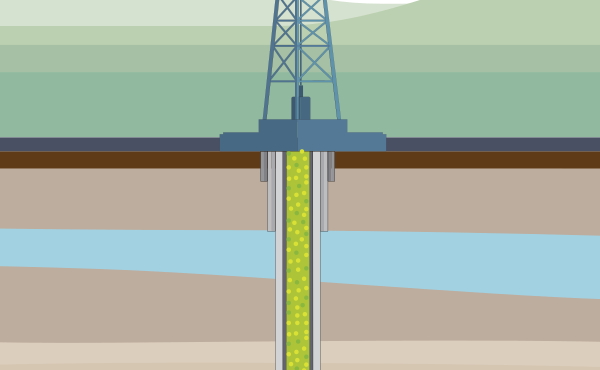
With more than 1 million active oil and gas wells in the U.S., ensuring well integrity is critical to preventing air and water contamination for the more than 15 million Americans who live within a mile of those facilities.
Risks
Poor well design, construction and maintenance practices can increase the chance of a well leak or blowout, so it's crucial that every aspect of a well’s life cycle – from drilling to plugging – is properly executed to reduce threats to our environment, health and safety.
Progress
We're in constant contact with key government agencies and industry decision-makers, helping them understand and implement the right standards, rules and oversight for well development and operations.
Success
EDF's efforts in major oil- and gas-producing states – Arkansas, California, Ohio, Pennsylvania and Texas – helped enact strong protections and best practices for well integrity.
2. Safely manage wastewater
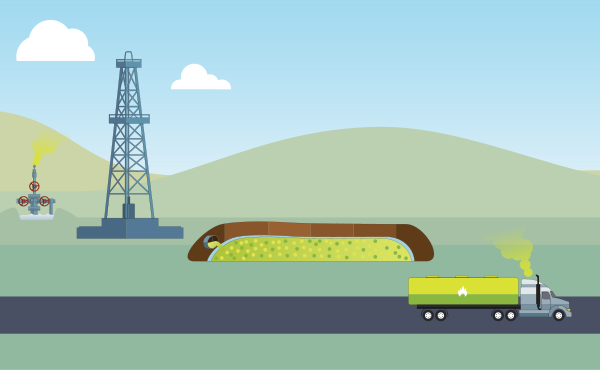
Water produced in the hydraulic fracturing process is salty and toxic and must be treated, transported and disposed of safely.
Risks
If wastewater is mishandled or a pipeline leaks, our farmlands and groundwater could become contaminated – sometimes for decades. And if it is used to irrigate food crops before we know more about toxicity levels, public health could be put at risk.
Progress
We're pressing for measures to reduce pipeline spills and working with scientists and industry experts to better understand wastewater chemicals. We’re also working with stakeholders to improve the efficiency of different options for wastewater disposal and reuse.
Success
We’ve helped states like North Dakota implement strong performance standards for wastewater pipelines. And we helped launch the State Oil and Gas Regulatory Exchange, designed to foster continual regulatory improvement.
3. Safeguard our air
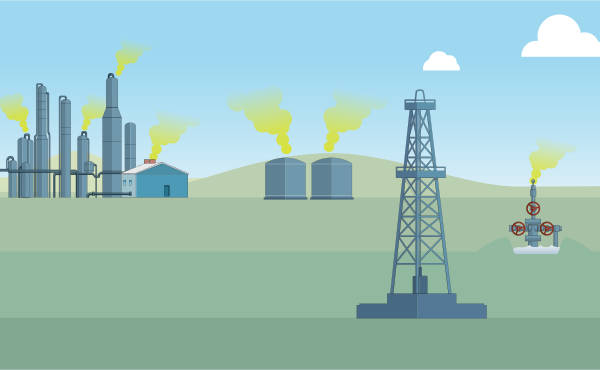
As natural gas is extracted and processed, air pollutants can leak into the atmosphere.
Risks
People who live near oil and gas activities may be exposed to air toxics like benzene, a known carcinogen. And emissions of smog-forming pollutants can cause respiratory illness.
Progress
We aggressively advocate for and defend clean air standards for all industrial and energy sources, including shale gas, at both the state and federal level.
Success
In 2016, we helped pass the first national rules to reduce methane and other air pollution from the oil and gas industry. States such as Wyoming, Colorado, California, New Mexico and Pennsylvania are also enacting efforts to reduce this air pollution.
4. Ensure climate benefits
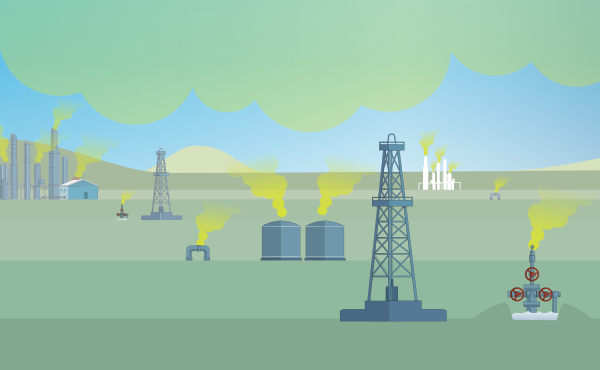
Natural gas is mostly methane – a greenhouse gas that is initially more potent than carbon dioxide.
Risks
Methane that is vented or leaked from oil and gas facilities contributes to global warming. An extensive scientific collaboration found that U.S. oil and gas facilities emit more than 13 million metric tons of methane into the atmosphere every year.
Progress
We worked with more than 140 academic experts, scientists and industry companies to help measure and reduce methane emissions, and educate industry and others about the importance of finding and fixing leaks along the natural gas supply chain – from production well to burner tip.
Success
In 2016, EPA finalized the first rule to directly limit methane emissions from oil and gas operations. This landmark followed progress in Colorado, which in 2014 became the first state to directly regulate methane.
5. Empower communities
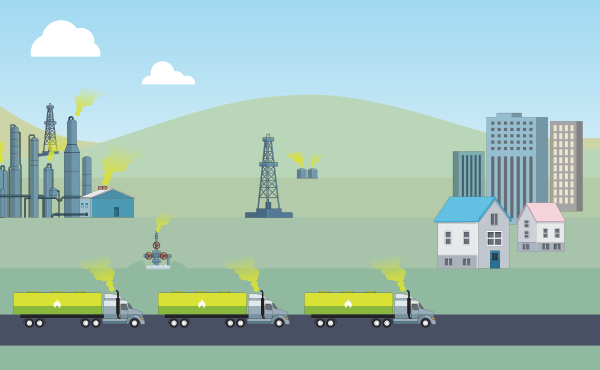
People have a right to know what chemicals oil and gas companies use and how much pollution they emit. They also have the right to exercise their traditional authorities over this intensive industrial activity.
Risks
If companies don't have to name the chemicals they use, or monitor their emissions, communities can't assess health risks. And if companies operate without community input, people may face more traffic, noise and other problems.
Progress
We're asking governments to require companies to disclose the chemicals they use in public databases. And we're pushing to preserve the traditional rights of communities to make decisions about development in their area.
Success
We’ve helped put in place chemical disclosure regulations in nearly all oil- and gas-producing states. And we helped launch an app that tells users who operates wells nearby, so they'll know whom to call if something goes wrong.
Share this vital information
Show your friends how natural gas production affects our health and the environment:
Your gift can help reduce dangerous pollution
Give now to defend our planet:
Donate now and triple your impact to build a cleaner, safer, more affordable future in 2027 and beyond.
Give now to defend our planet: