


Seafood Selector visitors: Welcome!
We’re glad to see that you’re interested in sustainable seafood. We are too. You can learn more about our work to make fishing more sustainable on the rest of this page below.
While we’ve discontinued our own Seafood Selector website, we suggest visiting the Monterey Bay Aquarium Seafood Watch for great recommendations on sustainable seafood.

Sustainable fishing
Empowering fishing communities worldwide
The problem: More than 3 billion people around the world rely on seafood as a primary source of protein, yet climate change and overfishing are straining fisheries and ocean ecosystems. This puts people’s nutritional needs and livelihoods at risk, and threatens the variety of life in the oceans, too.
What we’re doing about it: Through policy, technology and financing, we’re empowering fishing communities around the world to take a leading role in protecting ocean ecosystems and promoting sustainable fisheries. Our goal is to ensure that by 2030, fisheries in the world’s top fishing nations are more resilient to climate change.
Watch now: Blue foods can help feed the world
Our work strengthening fishing communities around the world
-
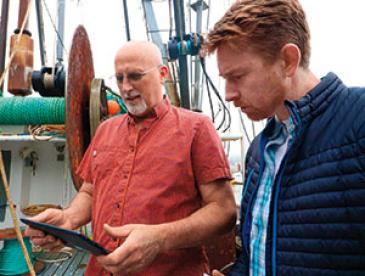 Initiative
Harnessing technology for fisheries and climate-resilient oceans
-
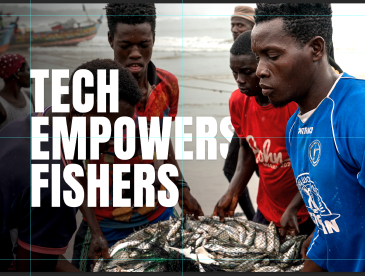 Video
VideoGhana’s traditional fishers are using new tech to bolster climate-smart fishing
-
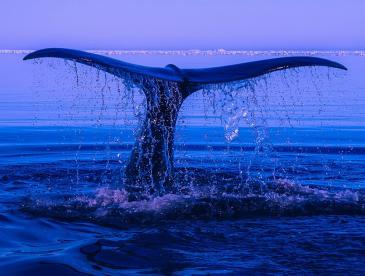 Overview
How oceans can help stabilize our climate
-
 Explainer
How to reverse the overfishing crisis
-
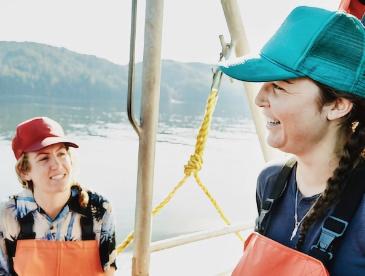 Overview
Paving the way for sustainable aquaculture
-
 Case study
How fishing rights helped Gulf fishermen bounce back
Where we work
By focusing strategically on these parts of the world, we can make fishing practices sustainable for more than half of the global fish catch.
Partner perspective
We view EDF as a critical partner to making fishing sustainable in the Philippines.
Eduardo Gongona
Undersecretary, Philippines Bureau of Fisheries and Aquatic Research
Updates
Read the latest articles, blogs and press releases on sustainable fishing.
-
New Seafood Executive Order Puts American Seafood Competitiveness At Risk
Press release, -
New Study Demonstrates Feasibility and Benefits of Small Vessel Electrification in The Bahamas
Press release, -
Trump Administration’s Threats to Dismantle NOAA Are an Attack on Our Safety and Our Economy
Press release, -
EDF’s Caribbean team receives prestigious AAAS award for science diplomacy
Press release, -
Seaweed farming: Fresh green hope for the Philippines’ blue economy
Blog post, -
Empowering Women in Blue Swimming Crab Fisheries Management in Lampung
Blog post,
Sustainable fishing resources
Dig deeper into our work with these resources for researchers, policymakers, journalists and communities.
- Website
Fishery Solutions Center
- Explainer
Climate-resilient fisheries
- Video
Meet the people making fishing more sustainable in a changing climate
- Video
Fishing Smarter: How new technology can help our oceans thrive
- Video
EDF explains: What is blue carbon?
- Blog post
New platform seeks to prevent ocean conflict in the face of climate change
Our fisheries experts
We bring wide-ranging perspectives and skills to our fisheries work. Meet some of the people who make it happen.
-
Vice President, Climate Resilient Fisheries
-

National Policy Director, Mexico Fisheries & Oceans
-

Senior Manager/Representative, Japan Fisheries & Oceans
-

Associate Vice President, Oceans Science
-

Director, Cuba Fisheries & Oceans
-

Senior Director, Global Fisheries & Oceans Initiatives
Partner perspective
EDF has been an honest broker. They’re helping us navigate the science in a rapidly changing environment.
Mauricio Galvez
Head of Research at IFOP (Instituto de Fomento Pesquero), Chile
Media contact
Sara Carney
(713) 435-9585 (office)